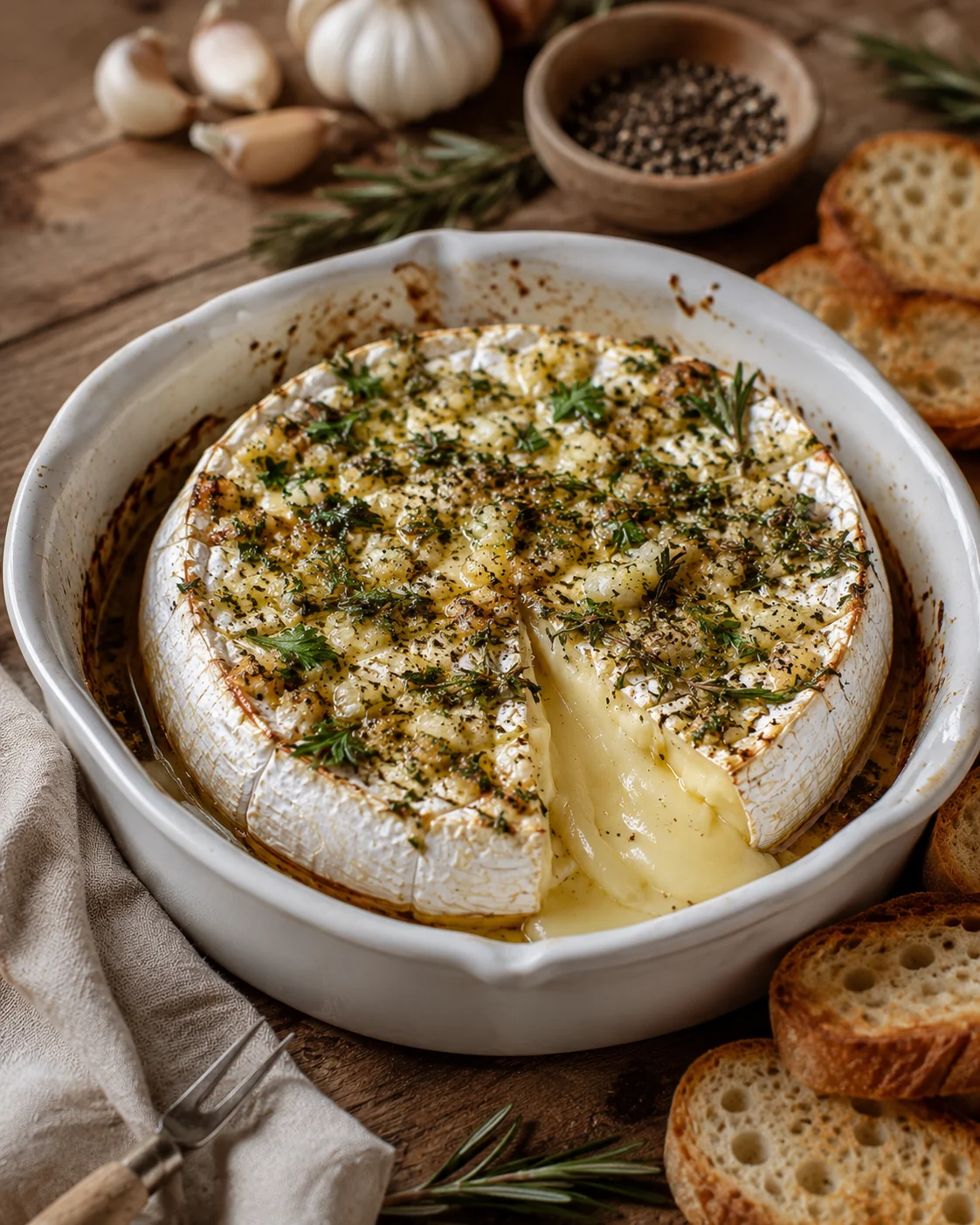
Garlic and Herb Baked Brie

Let’s talk about using website content legally. This quick guide breaks down how you can use the material on this website (the “Service”), what kind of permissions you have, and the basic do’s and don’ts to keep everything above board with the site’s Terms of Service. Think of it as your friendly checklist before you save, share, or use anything you find here.
If you’ve ever wondered about using website content legally, this short guide is here to help. It explains how you can read, save for yourself, or use content on this website (the “Service”) without stepping on any toes or breaking access rules. It’s written with everyday folks in mind who want to enjoy the content while respecting the owner’s rights.
Stick with me, and I’ll walk you through a simple, recipe-style breakdown. We’ll cover what you’re allowed to do (personal, non-commercial use), the quick checks you should make like reviewing the Terms of Service or looking at any robots.txt rules, and the practical steps for responsible use. Plus, I’ll sprinkle in some tips on when to get permission, how to be respectful, and what to do if you want to use the content more broadly or commercially.
- What’s covered: allowed uses, limits on access, and common rules you’ll want to know.
- Quick checks: how to find relevant info in the Terms of Service and robots.txt.
- Step-by-step actions: what to do before you save, share, or automate access.
- When and how to reach out to the site owner for permission or licenses.
What Makes It Special
- Clear boundaries: The Service is meant for your personal, non-commercial enjoyment, so you can use content privately without any guesswork about what’s okay.
- Trusted source: The content is carefully curated and maintained by the site team, so you’re getting the real deal — not scattered or unauthorized copies.
- Simple rules: The focus is on avoiding automated scraping or commercial use without permission, which makes daily personal use easy and stress-free.
Ingredient Checklist
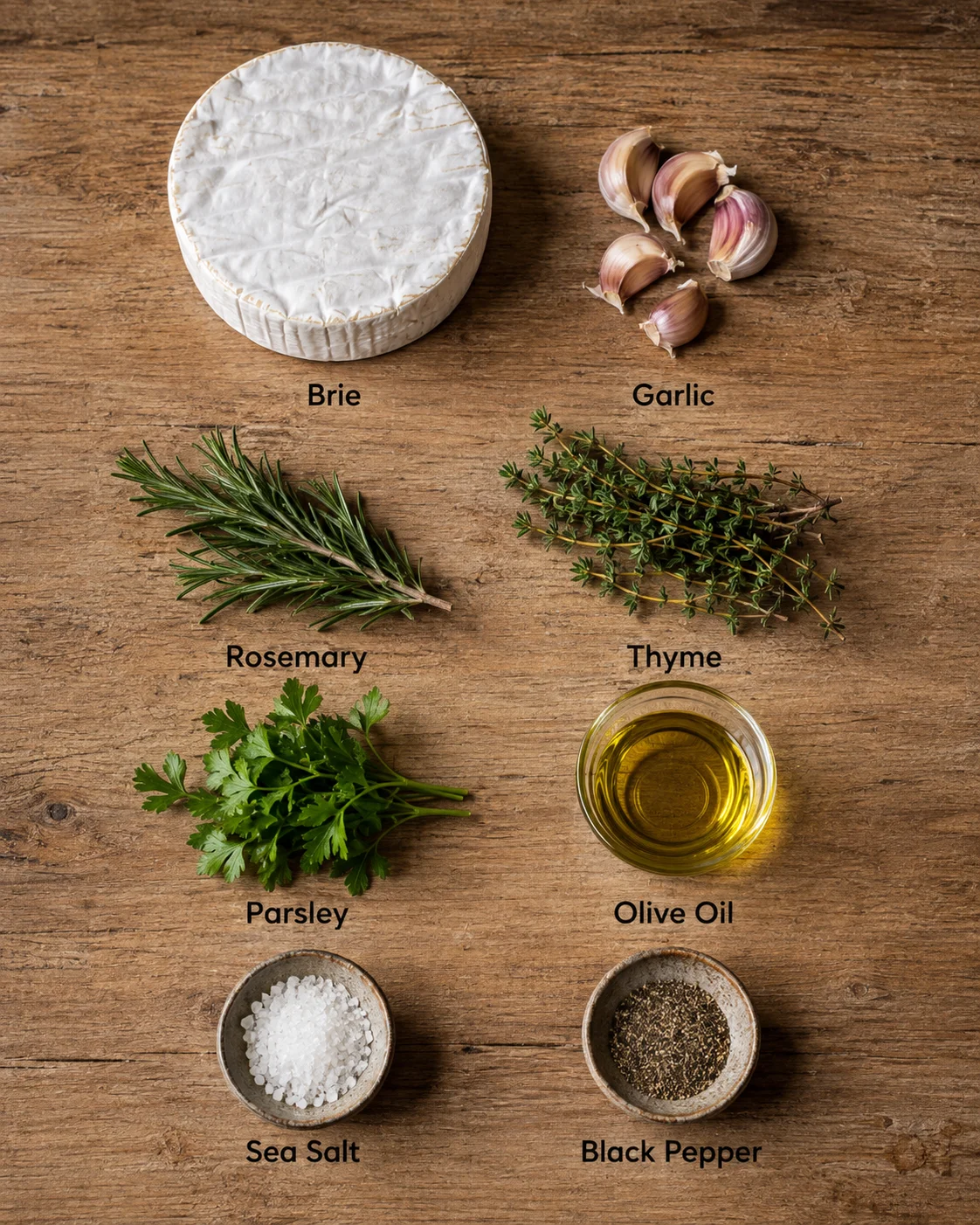
- No recipe ingredients found in article
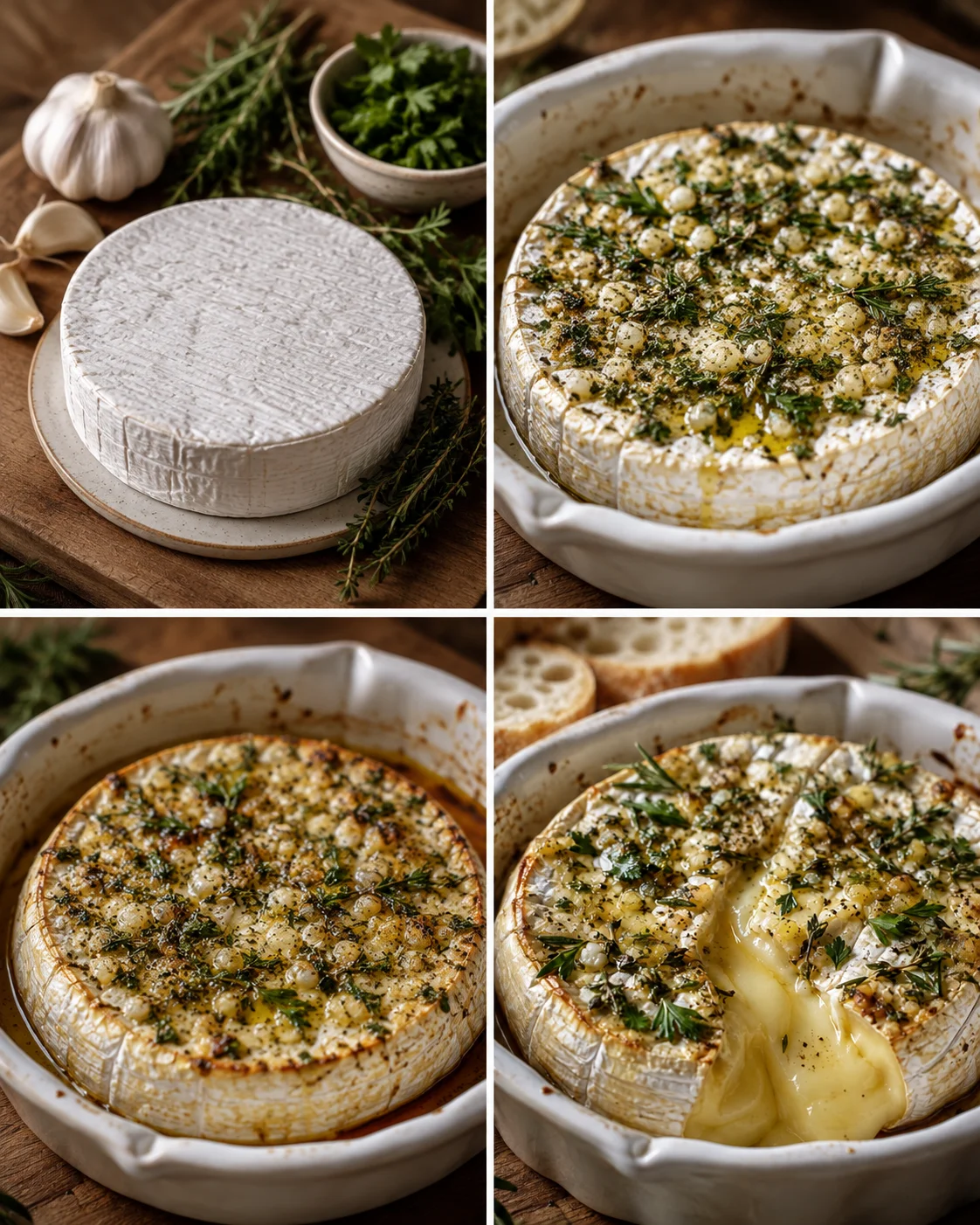
How to Make It
-
No actionable cooking steps for Garlic and Herb Baked Brie are present in the provided article.
Chef’s Tips and Tricks
- Always check the robots.txt and Terms of Service before trying automated access—this recipe’s rule is no unauthorized bots!
- Instead of copying and reposting content, link back to the original. This keeps traffic and credit right where it belongs.
- Keep your saved copies strictly private. Don’t share them or publish without permission.
- For big projects like research, archiving, or product development, ask for authorized access instead of scraping the site.
- Keep track of any permissions or licenses you receive to prove you’re playing by the rules.
Flavor Variations and Substitutions
- Licensed uses: When you need to reuse or sell the content, get a commercial license or written consent from the owner.
- Create summaries or original commentary instead of copying large chunks verbatim. This helps you add your personal touch and stay clear of copyright headaches.
- Ask if the site offers an API or partner program for approved automated access rather than trying to scrape data.
- Use public domain or Creative Commons content when you want free-to-use materials and don’t want to worry about legal limits.
Storage and Leftovers
When you save content from the Service, keep it only for your private, non-commercial use. Avoid hosting, sharing, or publishing copies without clear permission. If you want offline copies, only hold onto them as long as you need for personal reference. Don’t store or use them in ways that compete with or replace the Service. And if you dream of large-scale archiving or sharing, your best bet is to get explicit authorization from the owner first.
Common Questions and Answers
Q: Can I copy and paste content from the site into my blog?
A: Copying for your own private use fits within personal, non-commercial use. But posting material on a blog means you’re distributing it publicly, which usually needs permission or a license.
Q: Is it okay to use a scraper to collect articles for research?
A: The Terms of Service say no to automated tools like scrapers or crawlers unless you have explicit permission. If you’re doing research, reach out to get authorized access.
Q: Can I use the content in a commercial product or to train a model?
A: Using the content commercially or for things replacing the Service isn’t allowed without a license. For large-scale or commercial projects like model training, you need written permission from the owner.
Q: Where do I find the robot exclusion headers?
A: Look at the site’s robots.txt file at the root (for example, https://example.com/robots.txt) and follow any rules there as well as the Terms of Service.
Q: How do I request permission or a license?
A: Use the site’s contact details or licensing email (usually on a contact or legal page). Be clear about what you want to do, how much content you need, and whether you want automated access so they can give you the right info.
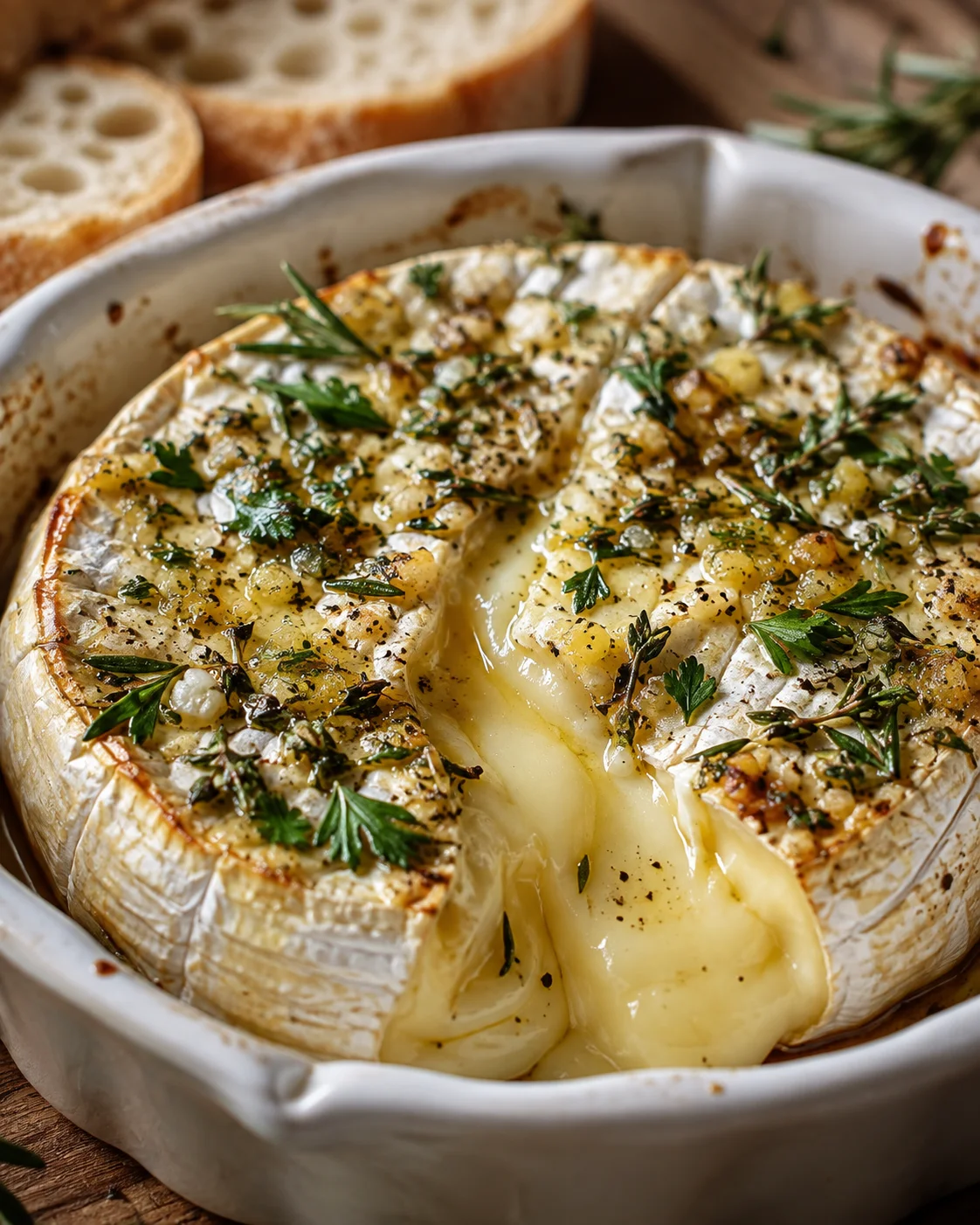
A baked Brie cheese dish featuring garlic and herbs, presented with a golden-brown crust and molten interior. This recipe is described visually but does not include detailed ingredient amounts or cooking steps in the article.
- Category: Appetizer
Instructions
- No actionable cooking steps for Garlic and Herb Baked Brie are present in the provided article.
Notes
Always check the robots.txt and Terms of Service before trying automated access—this recipe’s rule is no unauthorized bots., Instead of copying and reposting content, link back to the original to keep traffic and credit with the source., Keep saved copies strictly private; do not share or publish without permission., For large projects like research or product development, seek authorized access rather than scraping., Keep track of permissions or licenses to ensure compliance with rules., Licensed uses require a commercial license or written consent from the owner., Creating summaries or original commentary is preferable to copying large chunks verbatim to avoid copyright issues., Inquire about APIs or partner programs for approved automated access instead of scraping., Use public domain or Creative Commons content if looking for free-to-use materials.