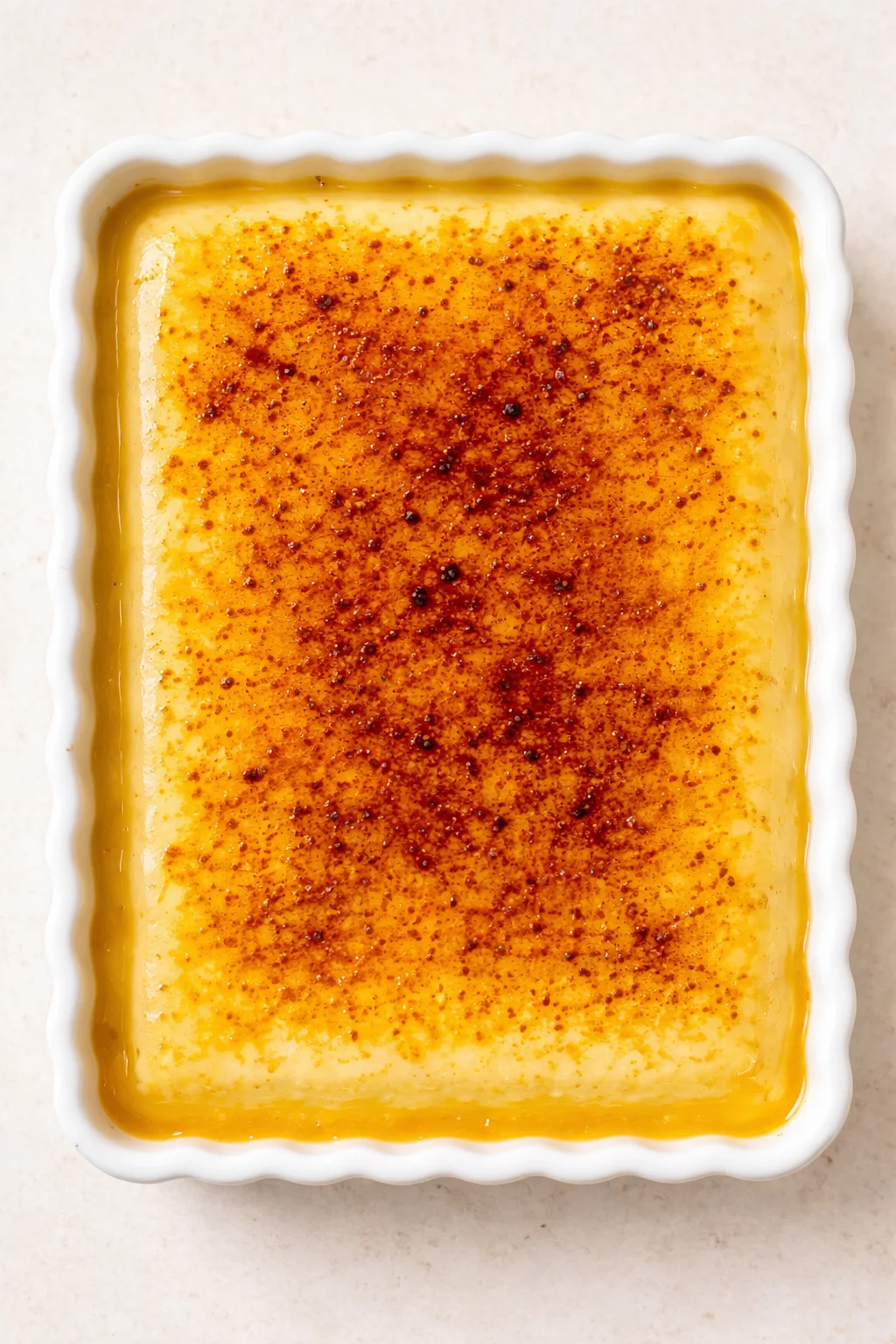
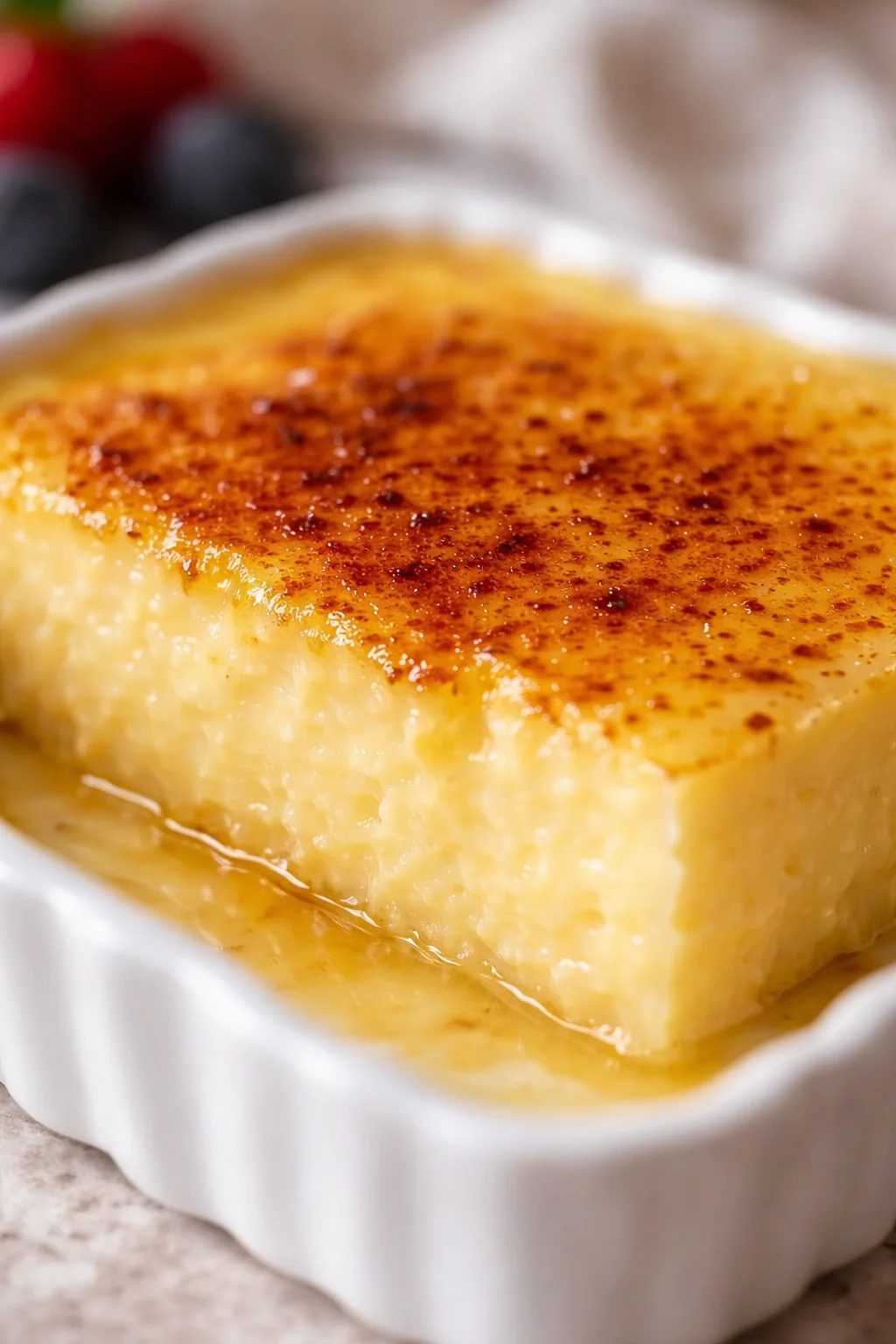
Creamy Egg Custard Recipe

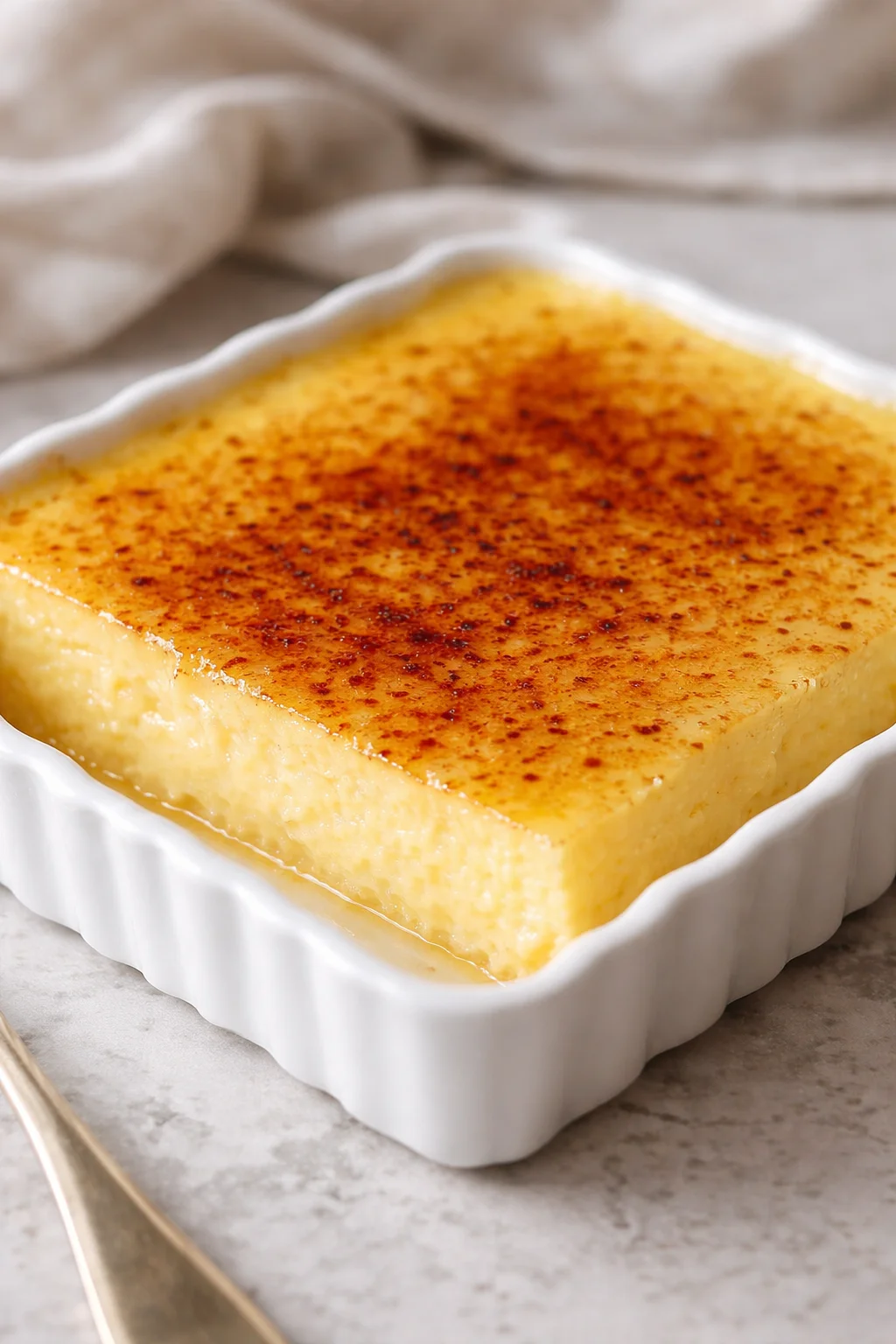
This egg custard is silky, creamy, and super simple to whip up. With just a handful of everyday ingredients like eggs, milk, and sugar, you’ll have a delicious dessert ready in no time!
Honestly, who can resist a homemade treat like this? I love topping mine with a sprinkle of nutmeg—it adds a cozy touch, like a warm hug in a bowl! ????
One of the best parts? This recipe is so forgiving. Even if you’re new to cooking, you can’t go wrong—just mix, bake, and enjoy the creamy goodness!
Are you looking for a comforting, classic dessert that’s easy enough for even beginners? This egg custard fits the bill perfectly. Using just eggs, milk, sugar, and vanilla, it turns simple kitchen staples into a smooth, creamy delight you can feel proud of making. And that touch of nutmeg on top? It finishes it off beautifully.
This recipe walks you through every step, including a few useful tricks like tempering the eggs, baking in a water bath, and straining the mix to ensure silky smoothness. Here’s the lowdown:
- Time: about 15 minutes of active prep, 35–40 minutes baking, plus a minimum of 2 hours chilling time.
- Skill level: perfect for beginners — just take your time tempering, and use the water bath and sieve to get a flawless custard.
- Equipment: small ramekins or custard cups, a deep baking dish for that water bath, and a fine mesh sieve for the smoothest texture.
- Result: a luxuriously smooth custard with a little jiggle in the center that sets up nicely as it cools; it stays fresh in the fridge for up to 3 days.
Follow these easy steps, and you’ll have a comforting, elegant dessert ready to impress on weeknights or special occasions.
Why This Dessert Works
This egg custard is comfort food at its best—simple ingredients, rich flavor, and a silky finish that’s hard to beat. It’s forgiving for newbies thanks to the tempering process, water bath, and straining, so you won’t stress about messing it up. Plus, it’s quick to prepare and easy to make in advance, which is perfect for busy families or gathering friends. If you want another quick, crowd-pleasing dessert that’s just as make-ahead friendly, try the Easy Peach Cobbler with Canned Peaches.
Ingredients and Smart Swaps
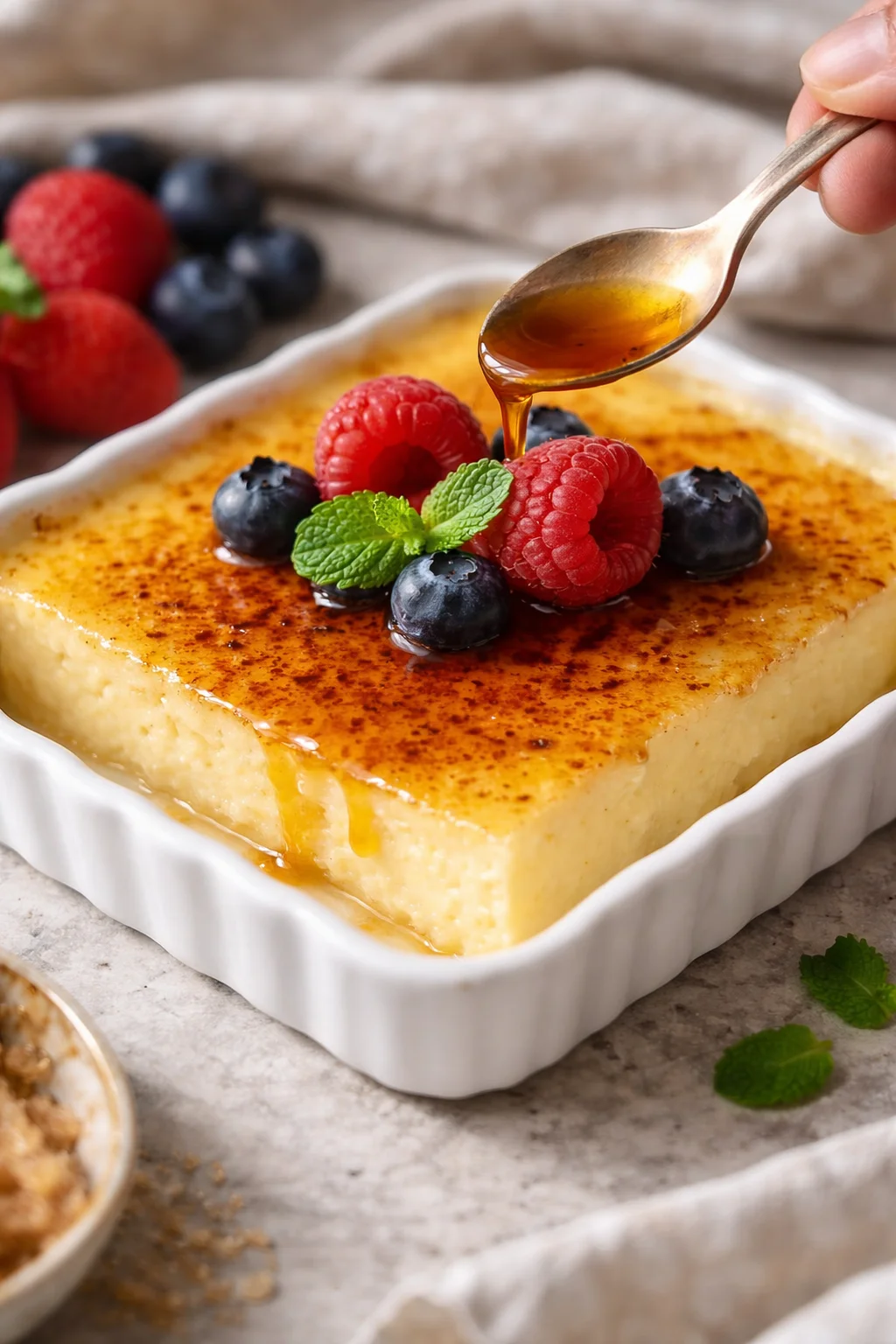
- 4 large eggs
- 2 cups whole milk
- 1/2 cup granulated sugar
- 1 teaspoon pure vanilla extract
- A pinch of salt
- Ground nutmeg, for garnish (optional)
Easy Step-by-Step Method
- Let eggs and milk sit at room temperature for 15–20 minutes.
- Preheat the oven to 325°F (165°C).
- Gently beat the eggs in a medium bowl until just combined, avoiding overwhisking.
-
Pour the milk into a saucepan and heat over medium until small bubbles form around the edges but it does not boil.
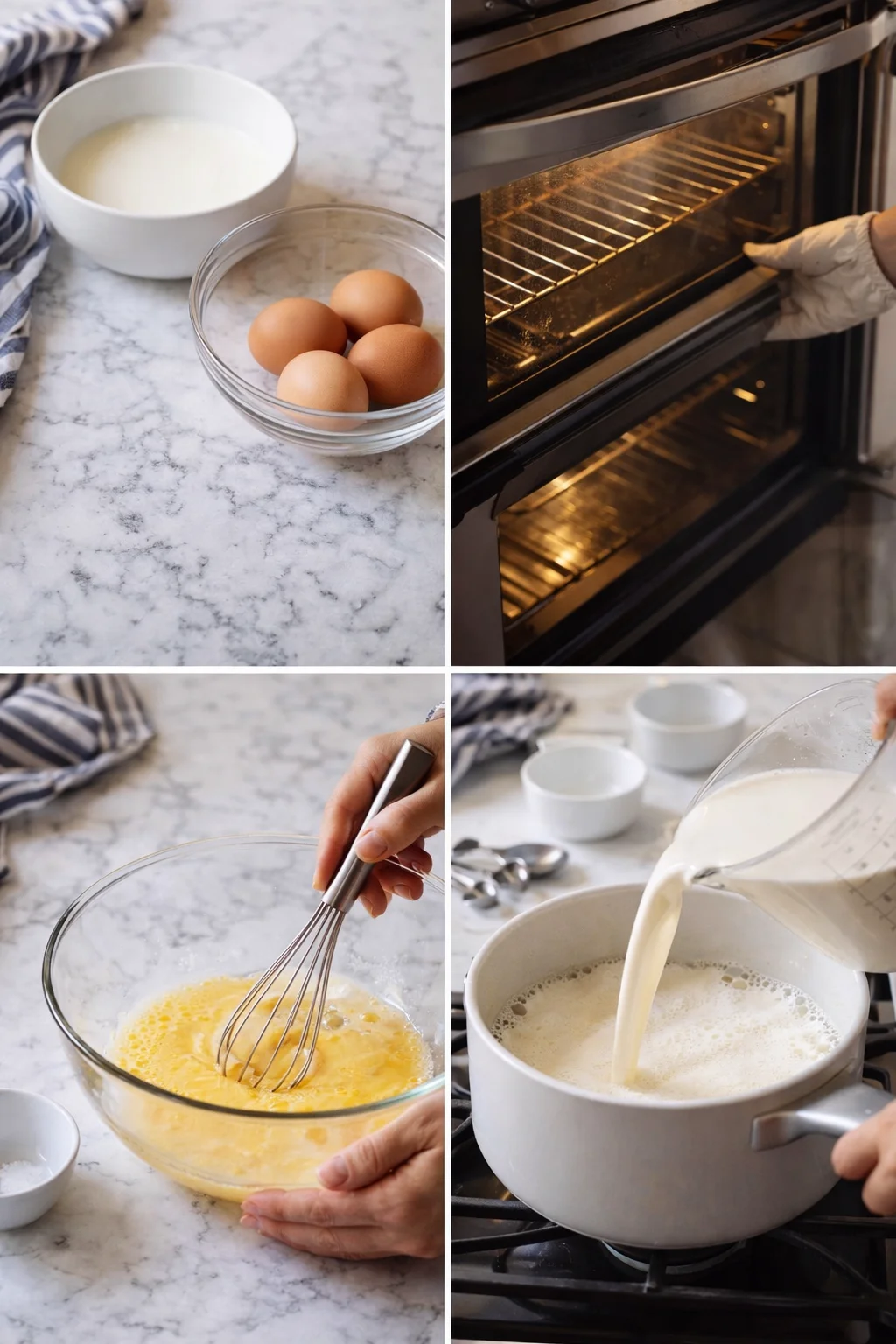
- Slowly pour the warm milk into the beaten eggs in a thin steady stream while whisking constantly to temper the eggs.
- Stir in the sugar, vanilla extract, and a pinch of salt until the sugar dissolves.
- Strain the custard mixture through a fine-mesh sieve into a large measuring cup or bowl.
-
Divide the strained custard evenly among ramekins, filling each about three-quarters full.
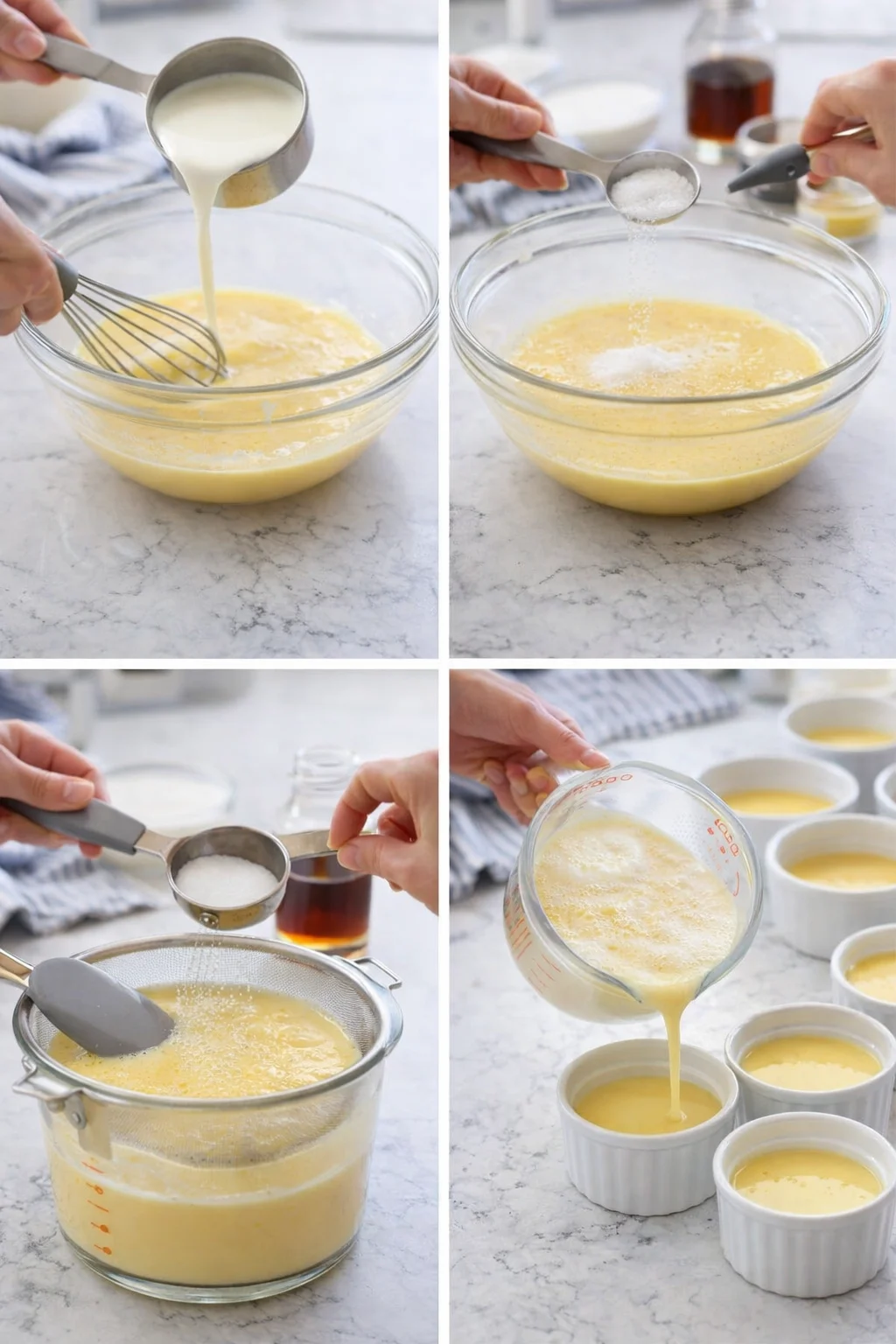
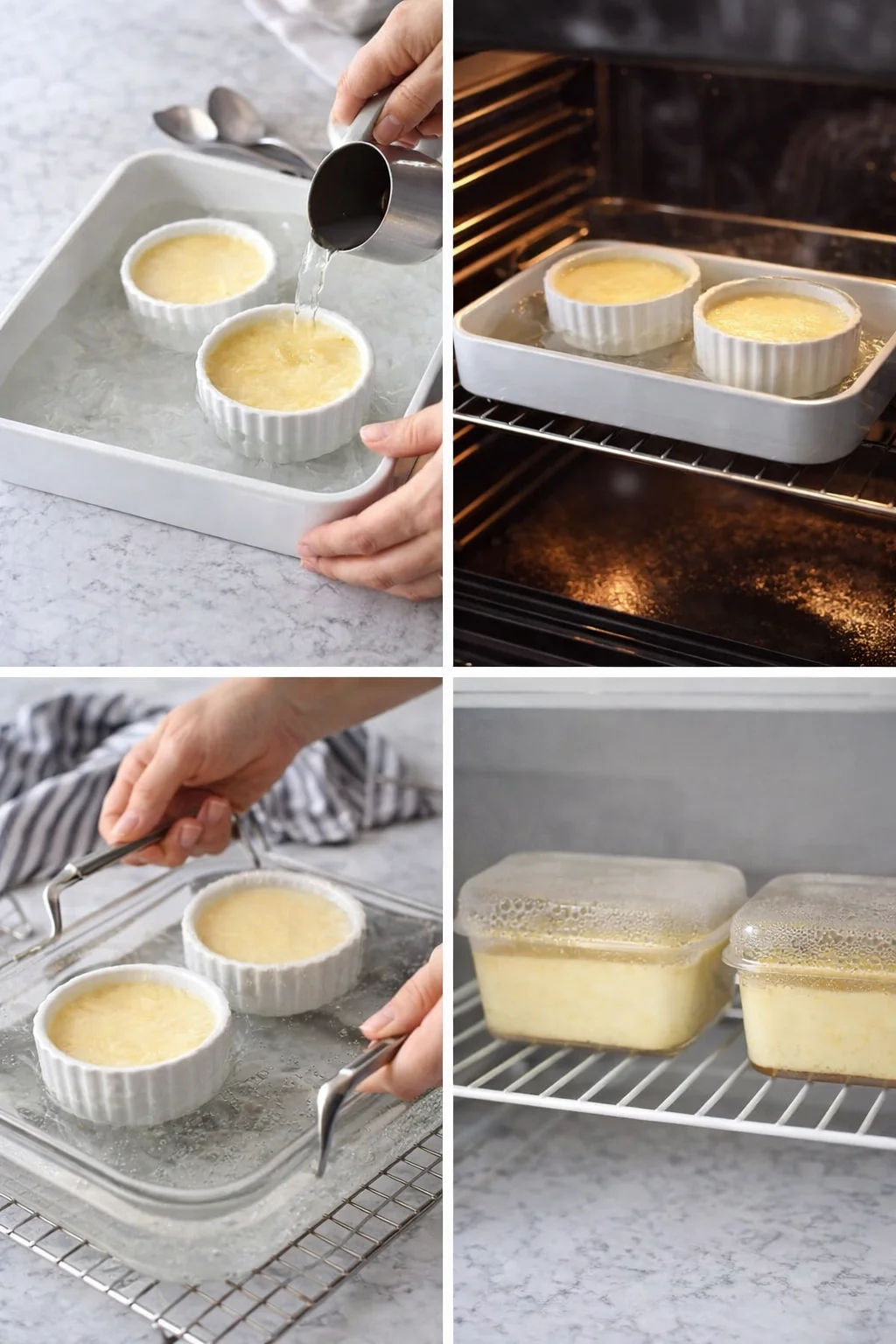
- Place the ramekins in a deep baking dish and pour hot water into the dish until it reaches halfway up the sides of the ramekins.
- Bake for 35–40 minutes, or until the edges are set and the center still jiggles slightly (or reaches about 170–175°F / 77–79°C).
- Carefully remove the ramekins from the water bath and cool to room temperature on a wire rack.
-
Refrigerate the cooled custards for at least 2 hours before serving.
Pro Tips for a Silky Custard
Working with custard can seem tricky, but a few simple tips make it way easier to get perfect results every time.
- Bring ingredients closer to room temperature: Let your eggs and milk sit out for 15–20 minutes before starting. This helps prevent curdling when you do the tempering step.
- Heat the milk gently — don’t boil: Aim for just warm with tiny bubbles around the edges. Boiled milk poured too hot will cause scrambled eggs in your custard.
- Temper slowly and steadily: Add warm milk into the eggs in a slow, thin stream while whisking constantly. Rushing here will cook the eggs and ruin the smooth texture.
- Strain for a velvety finish: Use a fine sieve to catch any cooked bits or foam before pouring into the ramekins.
- Keep whisking gentle at the start: Don’t whip the eggs too much; air bubbles cause frothy tops instead of silky custard.
- Use uniform ramekins and don’t overfill: Stick to ramekins of the same size and fill them about 3/4 full so everything cooks evenly and on time.
- Set up the water bath carefully: Pour hot water slowly to fill the baking dish halfway up the ramekins. Pouring too fast can splash and disturb the custard surface.
- Check doneness the right way: The edges should be firm, and the center should still jiggle slightly when you take it out. If you have a thermometer, aim for 170–175°F (77–79°C) in the center.
- Cool before refrigerating: Remove ramekins from the water bath, cool on a rack to room temp to avoid condensation, then chill for at least 2 hours.
- Prevent a skin: Press plastic wrap directly onto the custard surface before refrigerating or store in airtight containers to stop a rubbery skin from forming.
- If you overcook it: Overcooked custard turns grainy and loses silkiness. You can rescue it somewhat by serving with whipped cream, a bright fruit element, or by pairing with Chocolate-Covered Strawberries for a contrasting texture and flavor.
- Making ahead and finishing: You can make the custard up to 3 days ahead. If you want to brûlée the top, chill well first so the torch only caramelizes the sugar without reheating the custard.
- Scaling the recipe: This recipe doubles easily, but use same-depth ramekins and add extra baking time, checking doneness with the jiggle test or thermometer rather than just the clock.
Follow these friendly tips, and you’ll nail perfect custard every single time. Baking this cozy dessert is easier than you think!
- Let eggs and milk warm to room temperature before starting — it avoids curdling during tempering.
- Heat milk gently until small bubbles appear around the edges—don’t boil it!
- Temper eggs by slowly whisking warm milk into them in a thin, steady stream.
- Avoid over-whisking eggs at the start to prevent bubbly or frothy custard.
- Strain custard mixture through a fine sieve to catch any lumps or cooked bits for smooth texture.
- Fill ramekins about 3/4 full and bake them in a hot water bath reaching halfway up the sides for even cooking.
- Bake until edges are set and center jiggles slightly, then cool. Aim for 170–175°F (77–79°C) in the center if you use a thermometer.
- Cool on a rack before refrigerating to avoid condensation and keep the surface smooth.
Flavor Variations and Mix-Ins
- Vanilla upgrades: Split a vanilla bean and steep it in the milk for a richer flavor, or replace vanilla extract with almond extract (use sparingly).
- Spicy and citrus notes: Add a pinch of cinnamon, cardamom, or about a teaspoon of finely grated lemon or orange zest for something bright and fresh.
- Extra creamy: Swap half the milk for heavy cream to make the custard extra luxurious.
- Brown sugar or caramel: Use brown sugar instead of white for a deeper, caramel-y flavor, or drizzle warm caramel sauce over the top when serving.
- Adult flavors: Stir in a tablespoon of rum, bourbon, or orange liqueur after tempering for a grown-up twist.
- Toppings: Serve with fresh berries or fruit compote, a dusting of nutmeg or cinnamon, or pour it over a warm Classic Apple Crumble.
Storing and Serving Suggestions
Once your custards have chilled, keep them fresh by covering tightly with plastic wrap pressed right onto the surface, or store in airtight containers. This stops a rubbery skin from forming and keeps your custard perfect for up to 3 days in the fridge.
You can enjoy this custard cold straight from the fridge or let it soften a bit by sitting out 15-20 minutes before serving. Avoid microwaving—heat makes the custard grainy. If you prefer warm custard, gently reheat in a 300°F (150°C) oven set up with a water bath for 8–12 minutes, watching carefully—it’s wonderful poured over Strawberry Rhubarb Crisp.
Freezing egg custard isn’t ideal since it can change texture after thawing, but if you need to, store it in a freezer-safe container with some space on top. Freeze for up to one month and thaw slowly overnight in the fridge. Just expect a looser texture once thawed.
Answers to Common Custard Questions
Tempering the eggs is a crucial step to stop them from scrambling by warming them gradually with the hot milk. Here’s the easy way:
- Start with the eggs whisked lightly in a bowl.
- Slowly add warm milk while whisking continuously, allowing the eggs to heat gently without cooking.
- Once combined, pour the mix back into the saucepan to continue with the recipe.
This simple technique keeps your custard smooth and prevents clumps!
Can I Use Low-Fat Milk Instead of Whole Milk?
You can definitely swap low-fat milk, but keep in mind your custard won’t be quite as creamy or rich. For classic custard flavor and texture, whole milk is your best bet.
What If My Custard Is Overcooked?
Overcooked custard can turn grainy and lose that silky feel. Keep an eye on it while baking and take it out when there’s still a slight wiggle in the center. If it does overcook, serve it with whipped cream or fruit compote to help mask the rough texture.
Can I Flavour the Custard with Something Other Than Vanilla?
Absolutely! You can infuse milk with almond extract, caramel, or citrus zest like lemon or orange. For a nutty twist, hazelnut works beautifully too—see our Hazelnut Cream Beignets for flavour inspiration. Just start with small amounts so the flavors balance well and don’t overpower the custard.
How Do I Store Leftover Custard?
Keep any leftovers in airtight containers or covered ramekins in the fridge for up to 3 days. Enjoy cold or let them warm just a bit at room temperature before serving to take the chill off.