Vanilla French Beignets Recipe

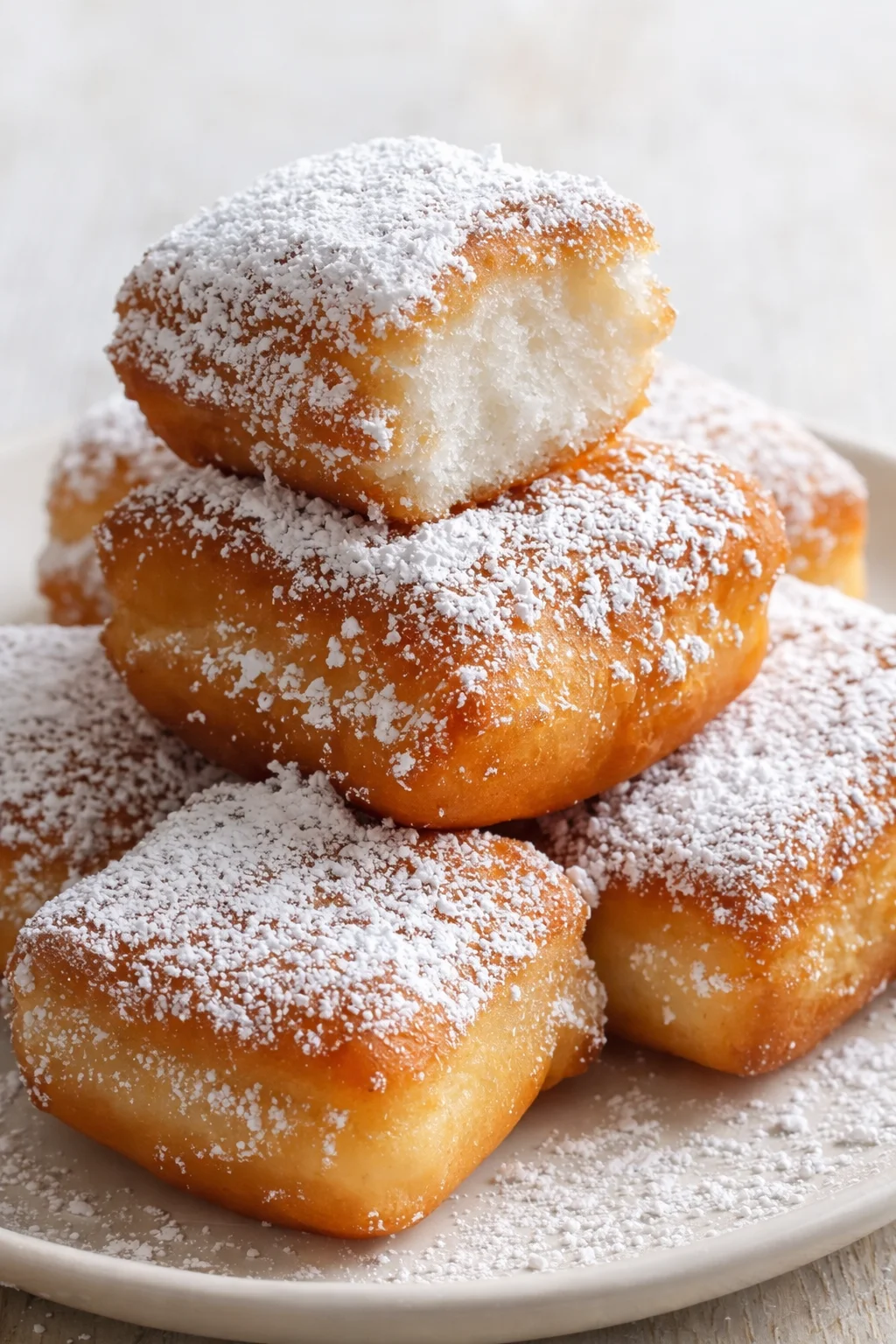
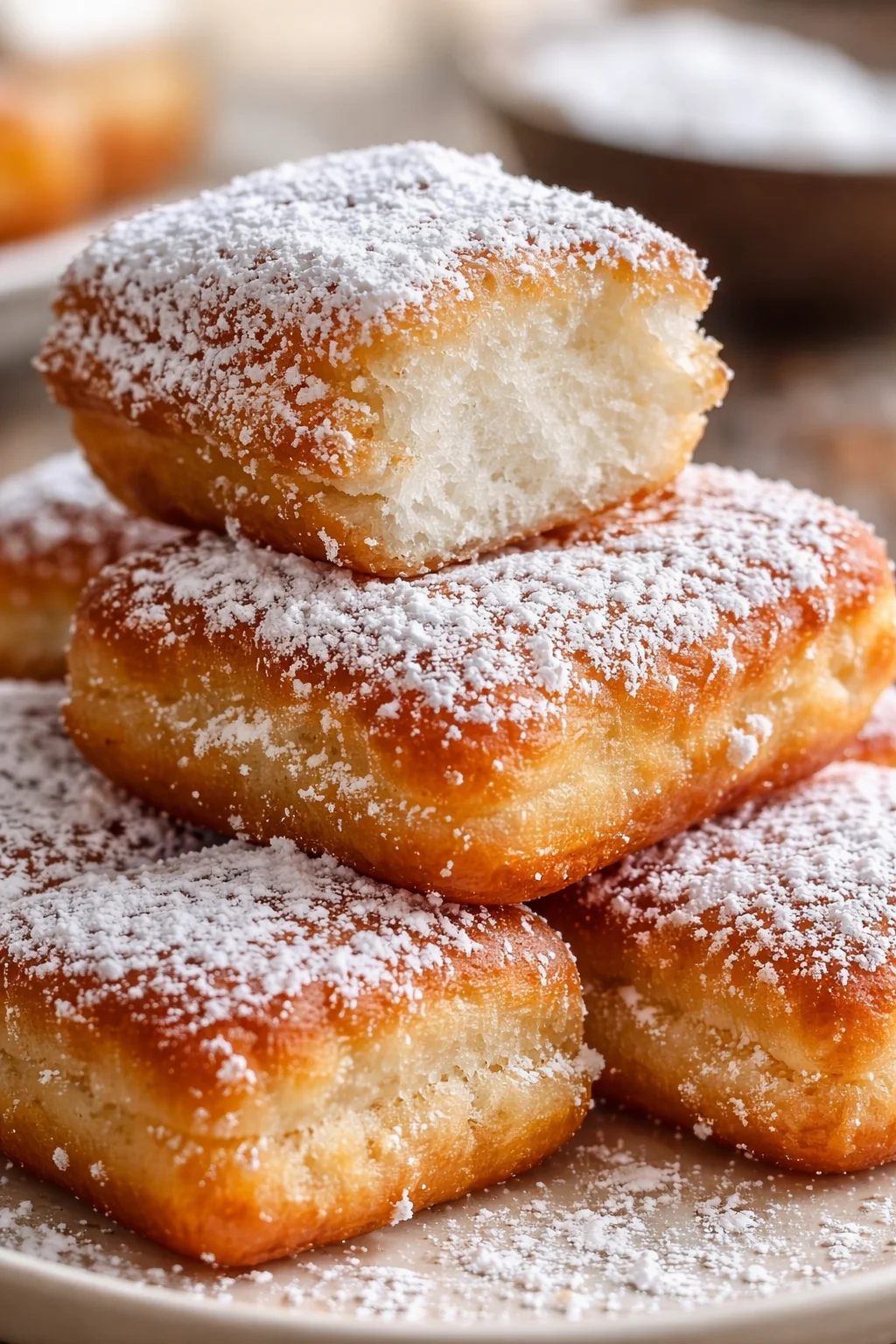
Alright, listen up—if you’ve never tasted a fresh beignet, you’re seriously missing out on a little slice of heaven. Picture this: fluffy, slightly chewy fried dough clouds generously dusted with powdered sugar. I still remember my very first beignet in New Orleans, probably after a late night out. The way that sweet powdered sugar snowed all over each bite? Honestly, it changed the game. For the longest time, I thought making beignets at home was too tricky. Spoiler alert: it’s not! This Vanilla French Beignets Recipe is my go-to for bringing that cozy, iconic New Orleans magic straight to my kitchen counter.
If you’ve ever daydreamed about savoring a fresh plate of beignets in New Orleans, this is how you nail that exact experience at home. Think pillowy, softly chewy fried dough squares that get dunked in a mountain of powdered sugar right after frying. These are the kind of treats that instantly bring a smile and warm your heart — perfect for weekend brunch, a fun baking day when it’s gloomy outside, or anytime you need a little pick-me-up with guaranteed smiles.
Don’t worry if it sounds fancy. There is a bit of kneading and waiting for the dough to rise, plus frying (which means a tiny mess—but it’s worth it!). The process is pretty simple and forgiving. Got a stand mixer? Use the dough hook — it will save you some serious arm ache. You’ll also want a deep pot, a thermometer (or just test a little dough piece), and, of course, a big stash of powdered sugar to make them truly irresistible.
- What it tastes like: Light, fluffy, just a little chewy inside with a perfectly crisp, golden outside, all blanketed in a blizzard of sweet powdered sugar.
- What to expect while making it: Some hands-on time kneading, then mostly waiting for the dough to rise, followed by quick frying in small batches.
- Serving: Serve these hot (be careful, they’re burn-your-tongue hot!) with a strong cup of coffee or chicory, and don’t skimp on the powdered sugar.
Ready to dive in? Roll up those sleeves, clear off your workspace (and maybe wear an apron — powdered sugar loves to travel), and let’s get to making these magical beignets.
Why You’ll Love Them
Honestly? These treats just make people happy in the most simple, joyful way. The moment they come out of the fryer and get loaded with powdered sugar, you’ll see those little light-up faces all around. I whip these up whenever I want to wow a group or when I’m feeling a bit down and need a sweet project to lift my spirits. If you’re craving a filled, extra-decadent take, try our Hazelnut Cream Beignets for the same magic with a luscious center. My kids? They absolutely lose their minds over them. While I wouldn’t say beignets are an every-weekend kind of thing—because they do take a little effort—they’re perfect for special brunches (pair them with a Blueberry Buttermilk Pancake Casserole or a Cinnamon Swirl Bread) or those cozy, rainy afternoons when you want a fun treat. The dough can be a bit fussy sometimes, but trust me, the payoff is so worth it!
Ingredient Checklist
- 1 ½ cups (about 360ml) warm water — think warm bath temperature, not hot lava!
- ½ cup (100g) granulated sugar
- 1 packet (2 ¼ teaspoons) active dry yeast. I usually go with classic brands like Red Star or Fleischmann’s. If you only have instant yeast, use the same amount, but you might not need to wait as long for it to proof.
- 1 large egg
- ½ cup (115g) evaporated milk — yes, the canned kind! It adds a lovely chewiness, but if you’re in a pinch, regular milk works just fine.
- 1 teaspoon salt
- 7 cups (roughly 875g to 1kg depending on your flour brand) all-purpose flour. Don’t pack it down when measuring! Spoon and level for the best results.
- 2 tablespoons (30g) unsalted butter, softened
- 2 teaspoons pure vanilla extract — use the good stuff if you have it, it really amps up the vanilla flavor in these French beignets.
- Vegetable or canola oil, for frying — you’ll need several cups, enough to fill your pot to about 1-2 inches deep.
- Seriously, a ridiculous amount of powdered sugar for dusting. Don’t be shy here.
Mixing, Rising, Frying
- Whisk warm water, granulated sugar, and active dry yeast; let proof 5–10 minutes until foamy.
- Whisk in the egg, evaporated milk, salt, softened butter, and vanilla extract.
- Add all-purpose flour gradually (about 1 cup at a time), switching to a dough hook if using a stand mixer.
-
Mix until a rough, shaggy dough forms, then knead until smooth and elastic — about 8–10 minutes in a mixer (medium) or 10–12 minutes by hand; dough should be slightly sticky.
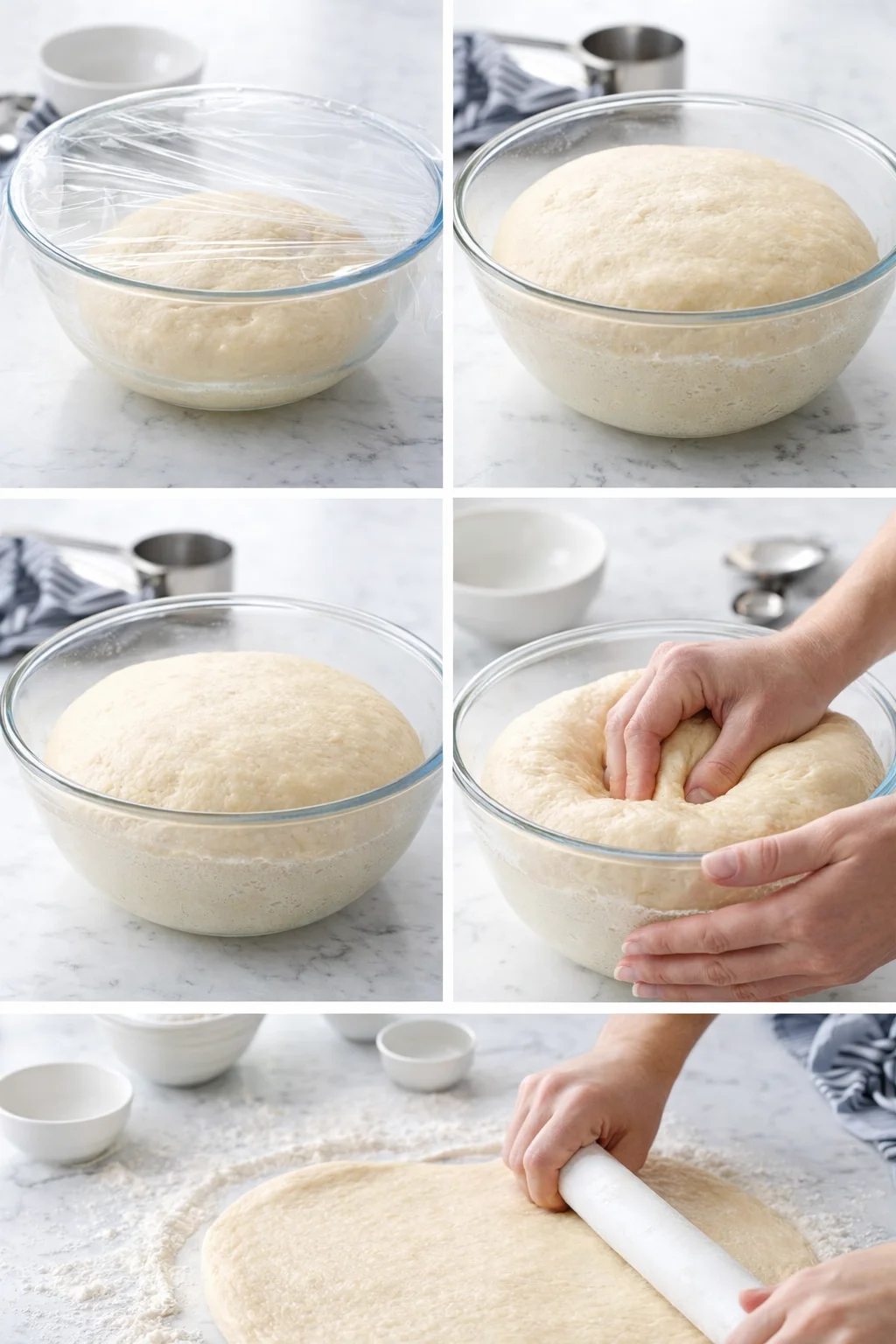
- Lightly grease a large bowl, place the dough inside, turn to coat, and cover with plastic wrap.
- Let the dough rise in a warm place until doubled in size, about 1 to 1½ hours.
- Punch down the risen dough.
-
Turn the dough onto a floured surface and roll to about 1/4-inch thickness, using just enough flour to prevent sticking.
- Cut the rolled dough into roughly 2–3-inch squares with a pizza cutter or sharp knife.
- Pour 1–2 inches of vegetable or canola oil into a deep pot or Dutch oven and heat to 350°F (175°C), or test by dropping a small dough piece to check bubbling without burning.
- Fry a few dough squares at a time without overcrowding until puffed and golden, about 1–2 minutes per side, flipping with tongs or a spider strainer.
-
Drain fried beignets briefly on a paper towel–lined plate.
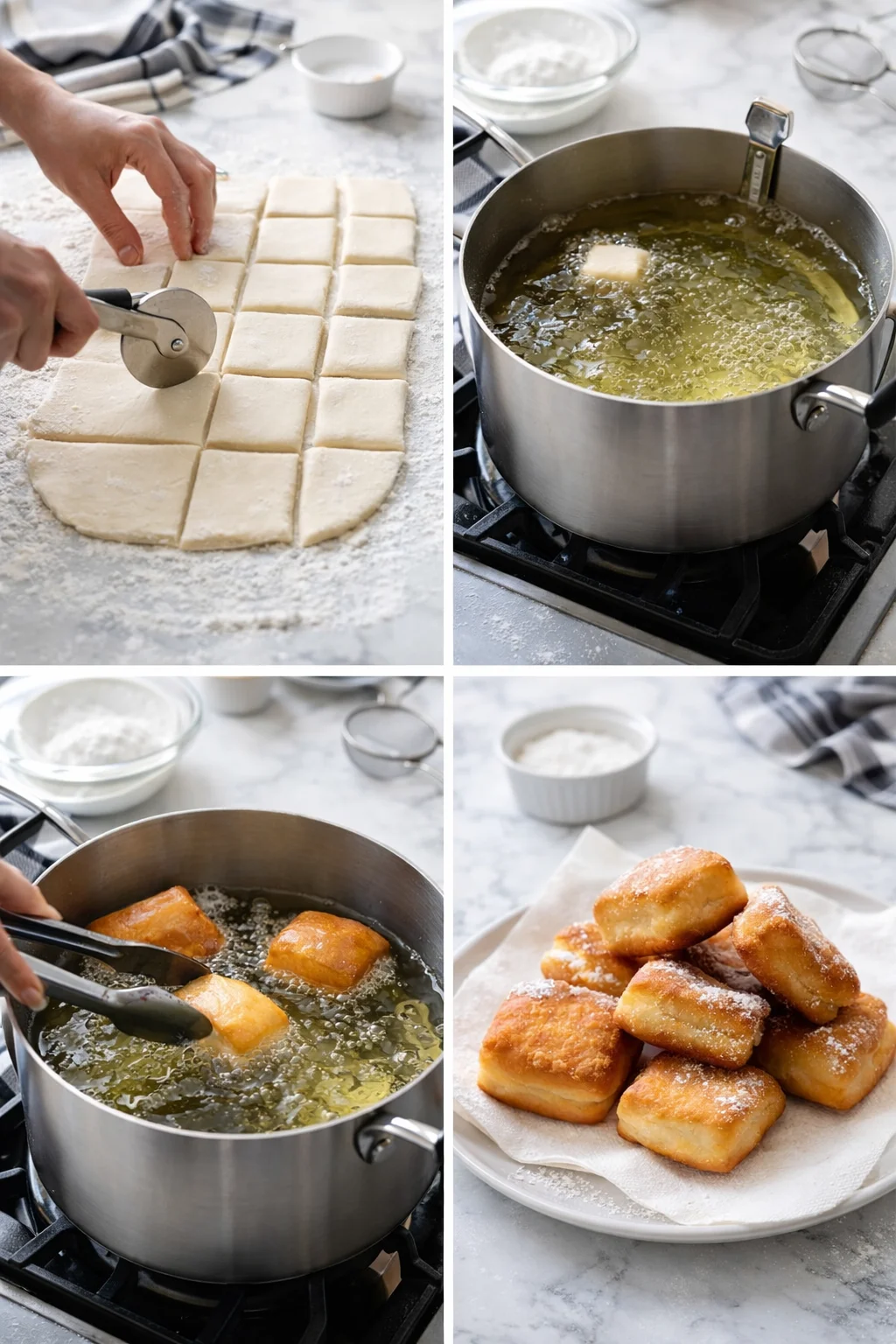
- Immediately transfer hot beignets to a tray or bowl of powdered sugar and coat generously.
-
Continue frying the remaining dough in batches, monitoring and maintaining the oil temperature.
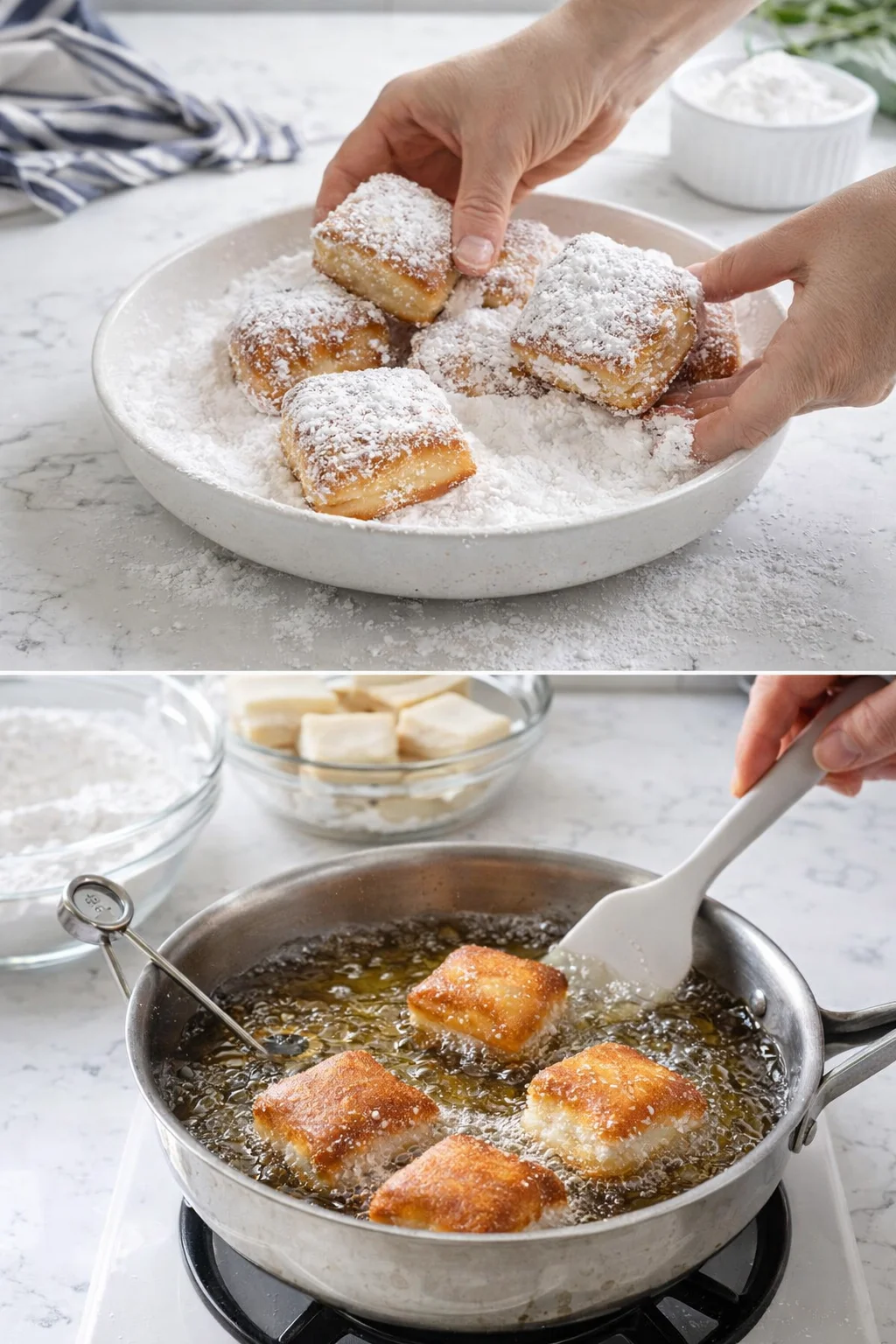
Frying and Finishing Tips
- Keep that oil temperature steady: Frying too cold means greasy beignets; frying too hot means burnt outsides and raw insides. A thermometer is a handy helper here.
- Powdered sugar magic: Dust the beignets while they’re still hot so the sugar sticks perfectly. Don’t be shy—prepare your clothes for a sugar snowstorm. Black shirts beware!
- Tame the dough: This dough is soft and a little sticky. Add just enough flour for rolling so it doesn’t stick, but don’t overdo it or your beignets might get tough.
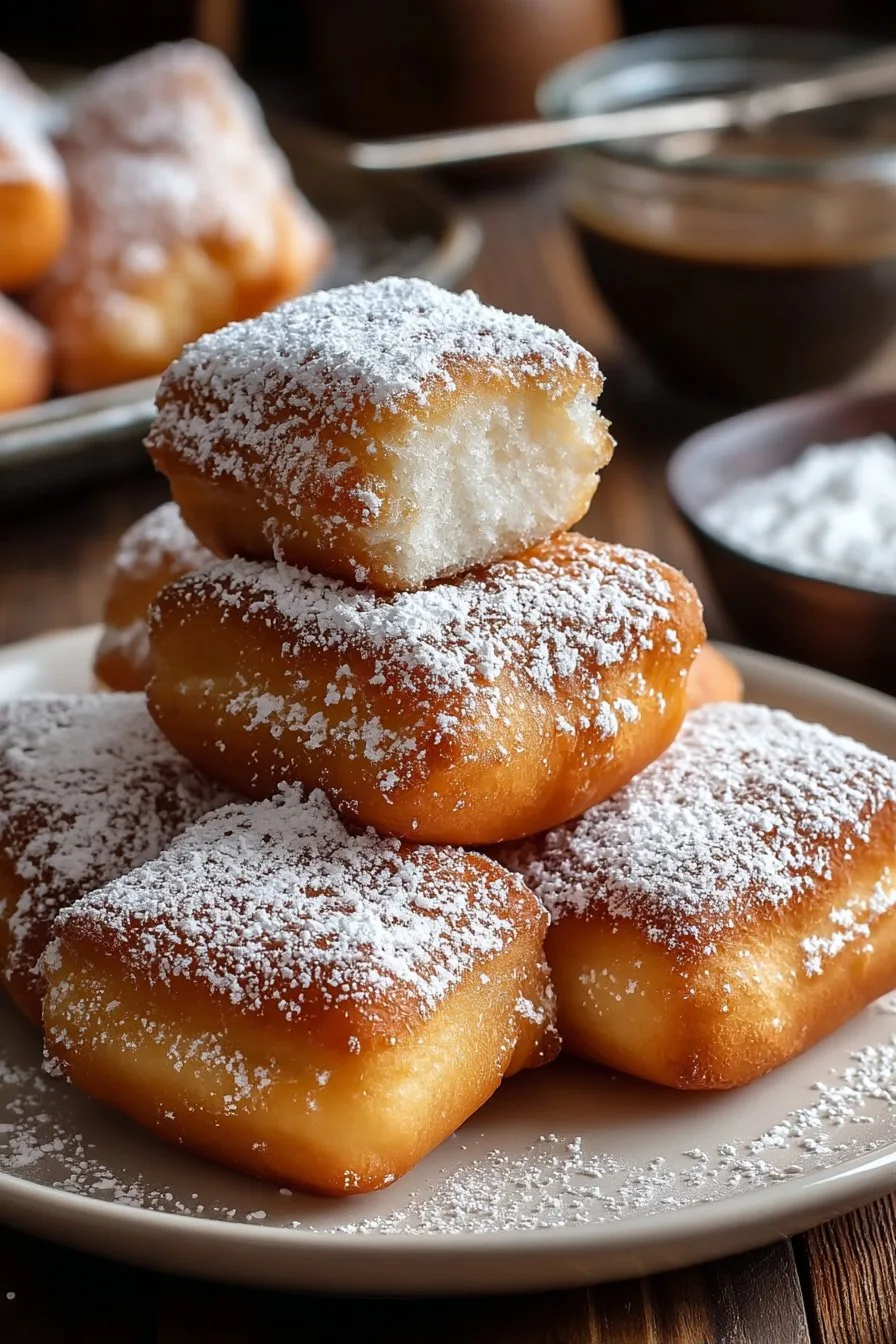
Serve these hot with a strong cup of coffee or traditional chicory coffee, New Orleans style. My kids love to dip theirs in chocolate sauce sometimes — honestly, it’s pretty delicious that way too.
One time I tried to rush the rising process because I was impatient, and the beignets came out flat and sad — don’t be like me! Let the dough do its thing. Also, don’t overcrowd your frying pot. That drops the oil temperature, and you’ll wind up with oily, heavy beignets instead of light and puffy ones. Fry in batches, and keep your oil happy.
- Serve warm beignets alongside a strong cup of coffee or classic chicory coffee, just like in New Orleans.
- They’re amazing dunked in chocolate or caramel sauce — great for kids and grown-ups alike.
- Pair with fresh fruit, like Quick Air Fryer Apple Chips, for a balanced brunch spread.
- Take them to a brunch party and watch them disappear instantly — and for an easy make-ahead complement, bring Cinnamon Sugar Donut Sweet Bread.
Flavor Twists and Swaps
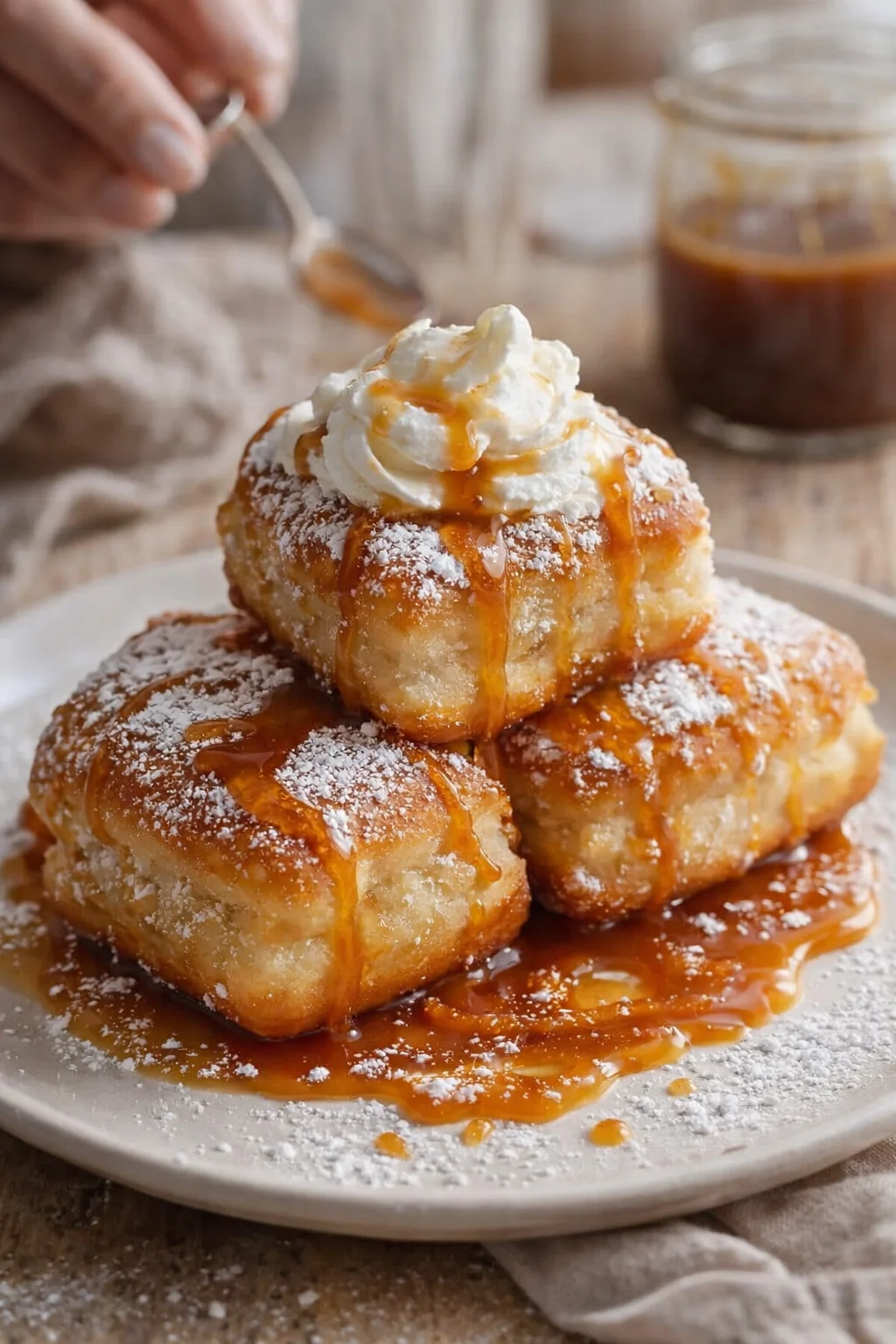
I’ve experimented a bit with these! Adding a pinch of nutmeg into the dough is cozy and lovely. Sometimes I toss in a bit of lemon zest for a bright twist. I once tried stuffing them with chocolate ganache before frying… big mistake. They exploded everywhere and made a mess. Don’t do that. Stick to dusting with powdered sugar, serve with a dipping sauce on the side, or finish with a light maple glaze instead.
- Add a pinch of nutmeg to the dough for a cozy warm twist.
- Try adding lemon zest for a bright, fresh flavor.
- Serve with dipping sauces like melted chocolate for dipping, caramel, or berry jam for extra indulgence.
- For a fun twist, sprinkle with cinnamon sugar—or for fall, pumpkin spice sugar—instead of powdered sugar.
Storage and Reheating
Technically, you can store leftover beignets in an airtight container at room temperature for a day or two. Just warm them up gently in the oven or microwave and add extra powdered sugar before serving. But honestly, in my house? They rarely last more than an hour or two before disappearing. So storage is mostly theoretical here!
If you have leftovers (which is rare), store your beignets in an airtight container at room temperature for up to two days. When you’re ready to eat them again, warm them gently in the oven at 300°F for about 5 minutes or microwave them for 20-second bursts. Add a fresh dusting of powdered sugar to bring back that signature sweetness.
You can make the dough ahead! After the first rise, punch it down and wrap the dough tightly. Refrigerate for up to 24 hours. Before frying, let it come to room temperature for 30-60 minutes to make rolling and cutting easier. This is perfect for planning your beignet day in advance and saves you some time on the big day.
Answers to Common Questions
Q: Can I make the dough ahead of time?
A: Yes, you can! Prepare the dough, let it rise once, punch it down, then pop it into the fridge for up to 24 hours. When you’re ready, let it sit at room temperature for 30 to 60 minutes before rolling and cutting.
Q: What if I don’t have evaporated milk?
A: Regular whole milk works just fine! The texture might be a tiny bit less chewy, but the beignets will still be delicious. Don’t let that stop you.
Q: How much oil do I need for frying?
A: You want enough oil so the beignets can float freely without touching the bottom—usually 4 to 6 cups depending on your pot size. Just make sure there’s about 1-2 inches of oil depth.
Q: Can I use bread flour instead of all-purpose?
A: I haven’t tried this recipe with bread flour, but since it contains more gluten, your beignets might turn out a bit tougher. I stick with all-purpose for that classic, light yet slightly chewy texture.
There you have it! Go forth and create some delicious vanilla French beignets. Fair warning: powdered sugar will end up everywhere, but hey, that’s part of the fun! For a luscious dip or filling, try this creamy egg custard.
Q: Can I freeze these beignets?
A: Yes, you can freeze them after frying and cooling. Store in an airtight container or bag, then reheat in the oven for best results. I recommend dusting with powdered sugar after reheating.
Q: What’s the best oil for frying?
A: Neutral oils like vegetable or canola oil work best because they don’t overpower the beignet’s flavor.
Q: Can I bake these instead of frying?
A: Baking won’t give you that classic crispy, puffed-up texture. Frying is really the best way to get authentic results. If you’d prefer a baked dessert with cozy fritter flavors, check out our Easy Sweet Apple Fritter Cake.
More in Breakfast
O.M.G. ~ Keto Magic Cookies
Keto Pumpkin Cream Cheese Muffins

Keto Bread Recipe