Moist Homemade Carrot Cake Recipe with Easy Cream Cheese Frosting
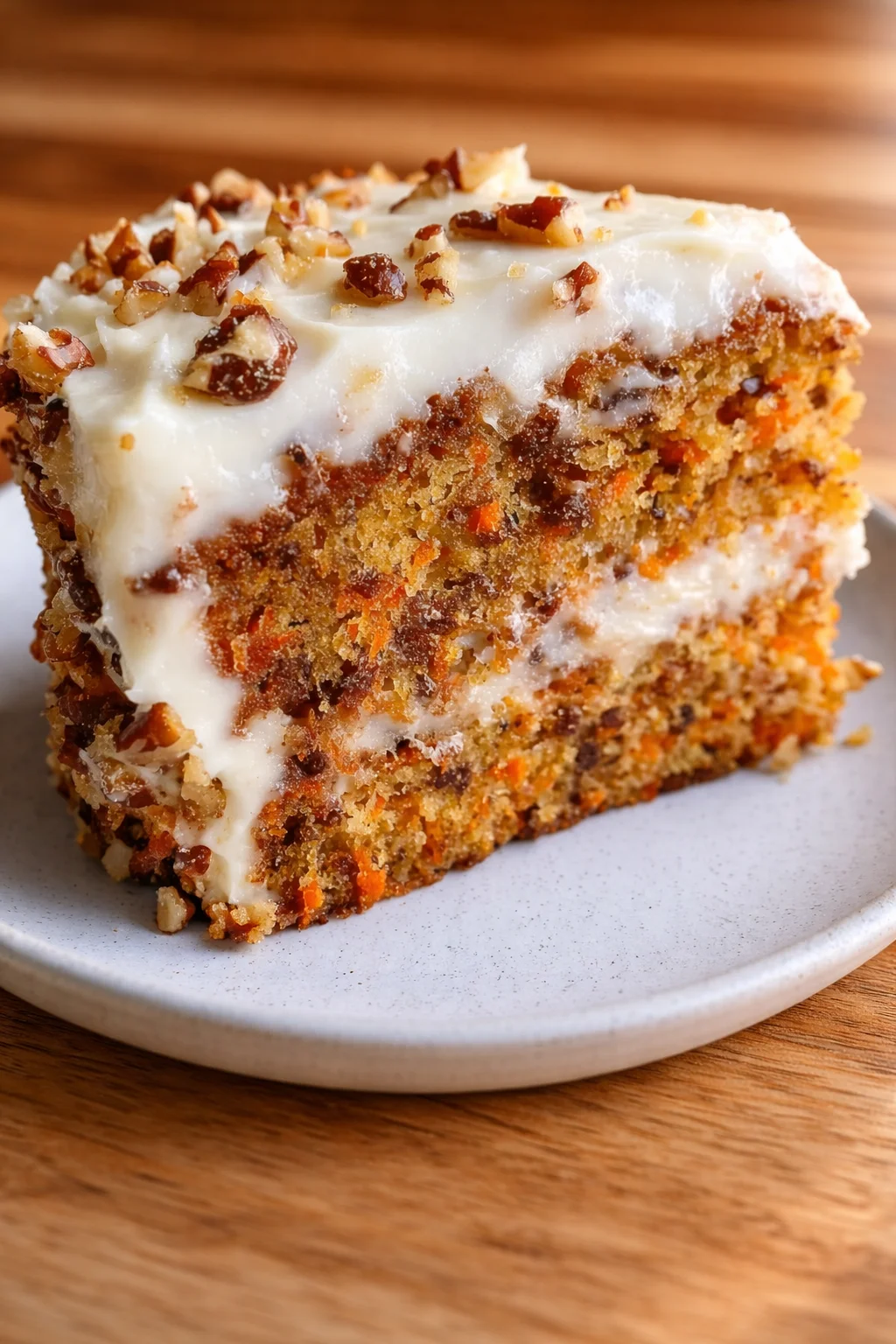
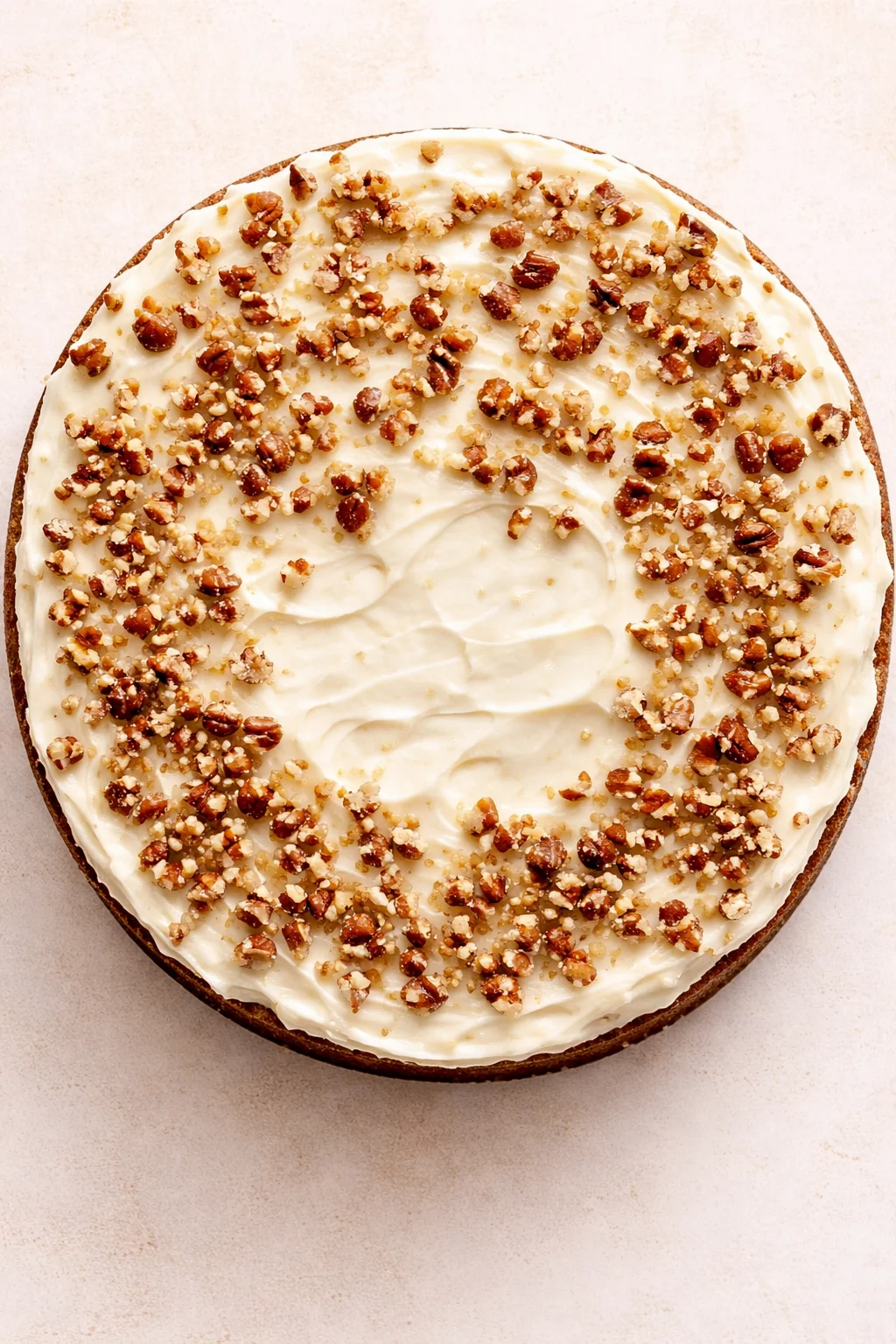
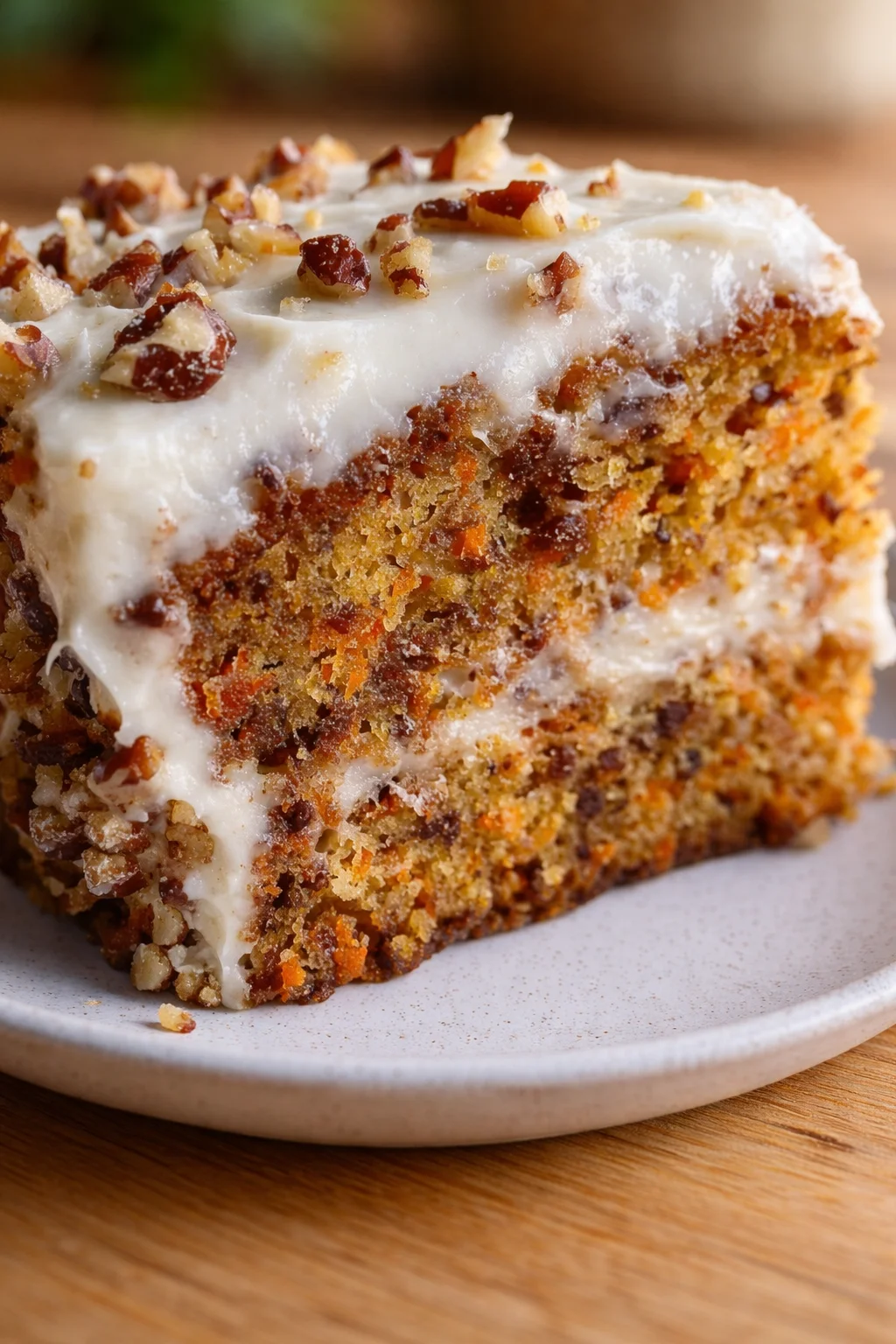
“Are you sure there are carrots in this cake?” my friend asked, eyeing the slice I’d just served. Honestly, I doubted it myself the first time I baked this moist homemade carrot cake with cream cheese frosting. It wasn’t that I didn’t trust the classic combo; it was more that I whipped it up during one of those crazy evenings when I barely had a spare moment, let alone time to bake. Somehow, the cake came together like a charm, and the texture was so tender and rich that it didn’t shout ‘healthy’ or ‘vegetable’ at all.
That evening, while I was balancing dinner duties and a laundry mountain, the smell of cinnamon and nutmeg floating from the oven felt like a small sweet victory. I couldn’t believe how these simple, mostly pantry ingredients transformed into something that tasted fancy but didn’t feel like a fuss. Since then, I’ve baked this carrot cake more times than I can count—sometimes swapping the nuts, sometimes adding pineapple—but it always ends up with that same moist, comforting crumb and tangy cream cheese frosting that feels like a hug in cake form.
No fancy tricks, no odd ingredients—just a straightforward, trustworthy recipe that’s ideal when you want homemade cake without the stress. It’s exactly the kind of cake you’ll want to dive back into the moment the last crumb vanishes. That’s why this moist homemade carrot cake with cream cheese frosting quietly became a favorite in my kitchen and hopefully in yours too.
If you’re after a carrot cake that’s simple, reliably moist, and topped with a tangy cream cheese frosting, you’re in exactly the right spot. This recipe takes about 45 minutes of hands-on work (plus baking and cooling), uses mostly pantry staples, and skips any fancy kitchen moves—making it perfect for a weeknight sweet, brunch, or even a special celebration.
Keep reading and you’ll get everything you need to bake with confidence:
- A full list of ingredients for both the cake and the cream cheese frosting, including easy swaps for gluten-free or dairy-free options.
- Clear, step-by-step instructions with timings and photos so you know what to expect at each stage.
- Helpful pro tips to keep the cake crumb tender and the frosting silky smooth, plus simple add-ins (nuts, pineapple, coconut) for your personal touch.
- Storage, reheating, and make-ahead advice, plus answers to common questions so you won’t be left wondering.
This carrot cake is forgiving enough for beginner bakers but rewarding enough for pros—read the tips, pick your favorite variation, and enjoy a cake that disappears for all the right reasons.
What Makes It So Good
After tons of trial runs and happy little accidents, this carrot cake recipe has earned its place as a go-to dessert for all kinds of occasions. Here’s why it’s absolutely worth your time:
- Quick & Easy: It comes together in about 45 minutes including baking, so you get a homemade treat without spending hours in the kitchen.
- Simple Ingredients: Made with everyday staples like grated carrots, brown sugar, and common spices—you likely have these on hand already.
- Great for Celebrations: Whether it’s a birthday, brunch, or cozy weekend afternoon, this cake fits beautifully—pair it with classic chocolate-covered strawberries for an effortless dessert spread.
- Crowd-Pleaser: Kids and adults alike adore it. The cream cheese frosting gives just enough tang to balance the sweetness and win over picky eaters.
- Unbelievably Moist: Thanks to grated carrots plus a touch of oil, this cake stays soft and tender, not dry or heavy like some versions.
What really sets this carrot cake apart is the perfect blend of flavors and textures. The spices aren’t overpowering but add warmth, the carrots bring natural sweetness and moisture, and the cream cheese frosting is silky smooth without feeling heavy. I’ve tweaked this recipe to avoid overly sweet or greasy cakes you sometimes find, making it a satisfying and wholesome choice.
Plus, it’s the kind of cake that makes you pause after the first bite—comfort food with a little twist that feels both familiar and special.
Each slice (based on 12 servings) has about 320 calories, 18 grams of fat, 38 grams of carbohydrates, and 3 grams of protein. The natural sugars from carrots and pineapple keep it sweet without refined sugar overload.
Carrots add beta-carotene and fiber, while nuts bring healthy fats and a nice crunch. Using oil instead of butter helps keep the cake moist but lighter than traditional butter-heavy versions.
You can easily tweak this recipe to fit gluten-free or dairy-free diets with simple swaps, making it a dessert everyone can enjoy. It’s a way to celebrate classic carrot cake while sneaking in some good-for-you stuff.
This moist homemade carrot cake with cream cheese frosting is one of those rare desserts that feels indulgent yet homey. It’s easy enough for beginners with enough flavor depth for experienced bakers. What I love most is its versatility—you can adjust it to match your pantry, season, or dietary needs without losing that signature moist crumb and tangy frosting.
So whether you’re baking for a special event or just want a little sweet comfort, this recipe won’t let you down. Give it a try, and don’t hesitate to make it your own. I’d love to hear how you put your spin on it!
What You’ll Need
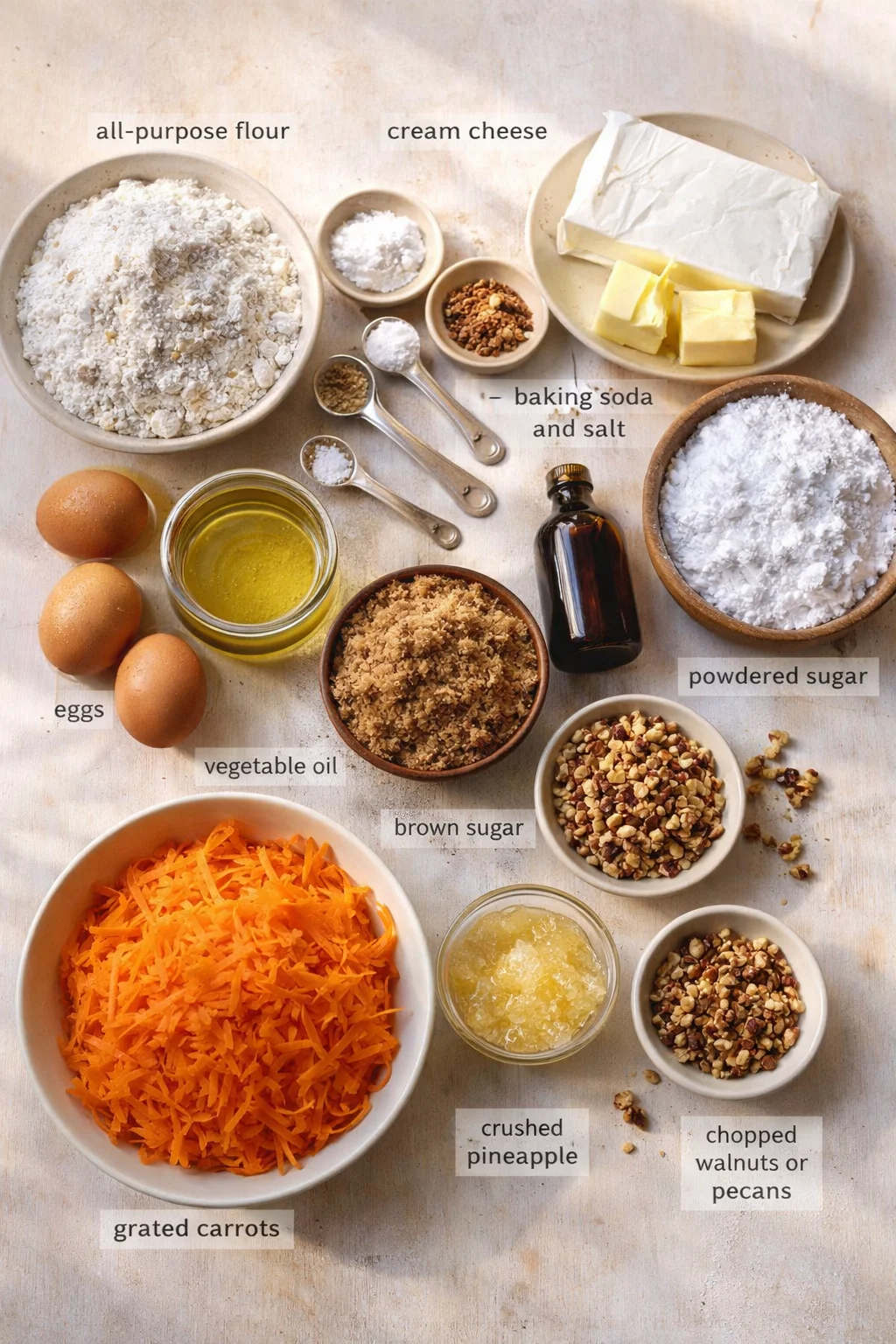
- 2 cups (250g) all-purpose flour (or try almond flour for a gluten-free twist)
- 1 ½ teaspoons baking powder
- 1 teaspoon baking soda
- ½ teaspoon salt
- 1 ½ teaspoons ground cinnamon (for warmth and depth)
- ½ teaspoon ground nutmeg (freshly grated if you can—it makes a difference!)
- 1 ½ cups (300g) packed brown sugar (I like light brown for a softer molasses note)
- 1 cup (240ml) vegetable oil (melted coconut oil works great too)
- 3 large eggs, preferably room temperature
- 2 cups (about 3-4 medium) grated carrots (freshly grated is best for texture)
- 1 teaspoon vanilla extract (pure vanilla gives richer flavor)
- ½ cup chopped walnuts or pecans (totally optional but adds wonderful crunch)
- ½ cup crushed pineapple, drained (optional for extra moisture and subtle tang)
- 8 oz (225g) cream cheese, softened
- ½ cup (115g) unsalted butter, softened
- 3 cups (360g) powdered sugar, sifted
- 1 teaspoon vanilla extract
- A pinch of salt to balance the sweetness
How to Make It
- Preheat oven to 350°F (175°C); grease baking pan(s) and line with parchment paper.
- Bring eggs, cream cheese, and butter to room temperature.
- Grate 2 cups (about 3–4 medium) carrots finely and gently squeeze out excess moisture.
-
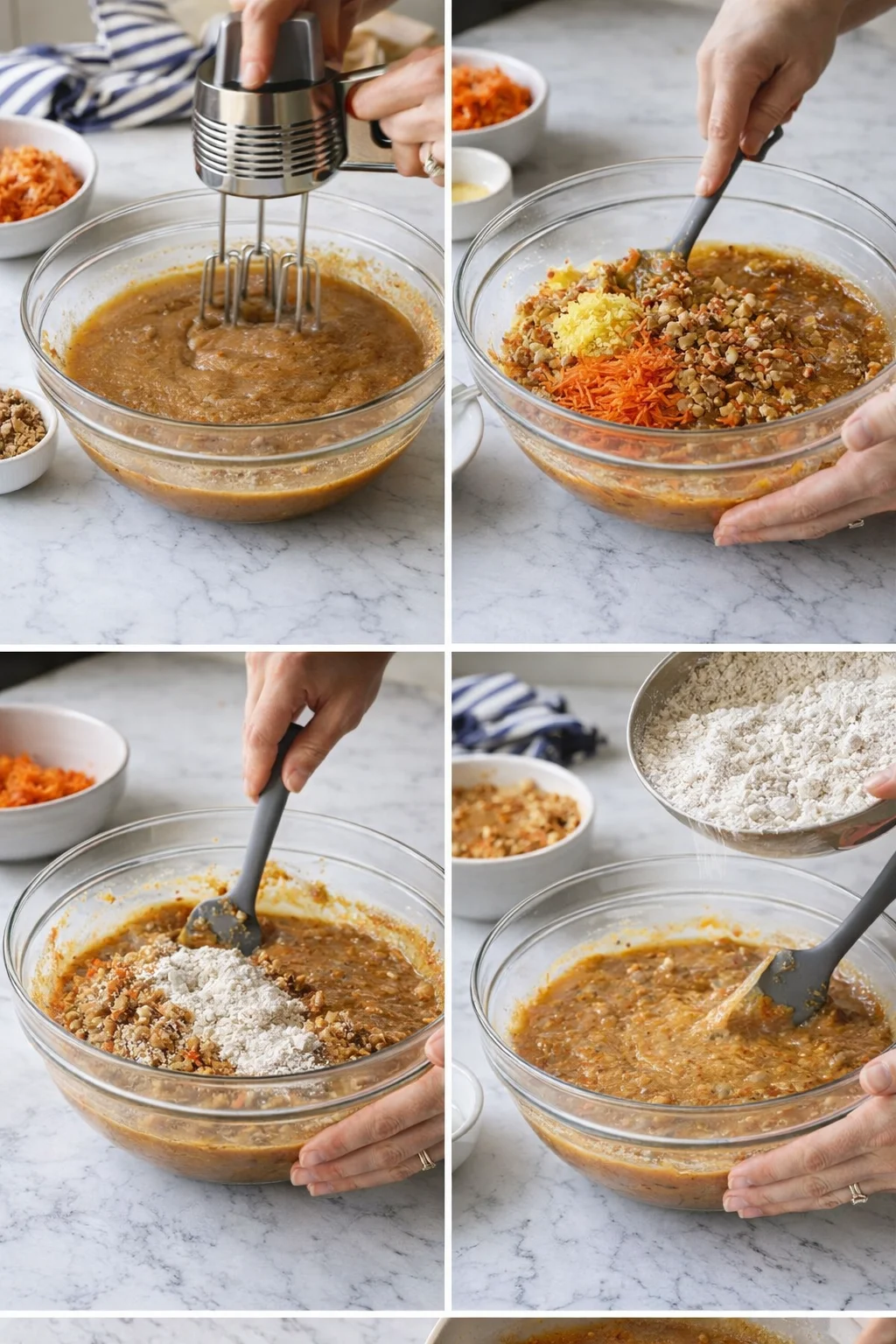
Whisk together 2 cups all-purpose flour, 1½ teaspoons baking powder, 1 teaspoon baking soda, ½ teaspoon salt, 1½ teaspoons ground cinnamon, and ½ teaspoon ground nutmeg in a large bowl.
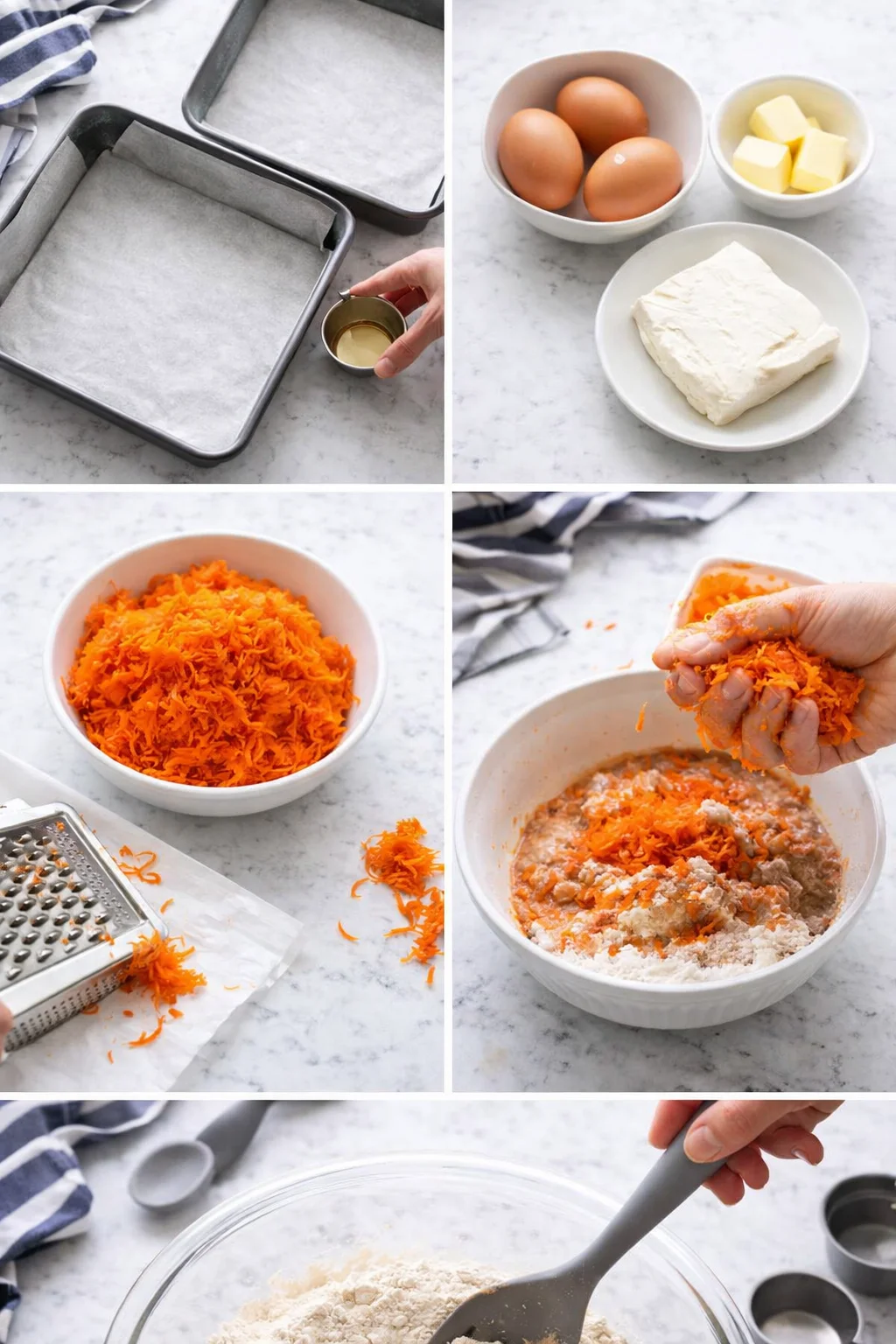
- Beat 1½ cups packed brown sugar with 1 cup vegetable oil until smooth; add 3 eggs one at a time, mixing well after each; stir in 1 teaspoon vanilla extract.
- Gently fold grated carrots, ½ cup chopped walnuts or pecans, and ½ cup drained crushed pineapple (if using) into the wet mixture.
- Slowly add the dry mixture to the wet mixture, folding gently until just combined (do not overmix).
-
Pour the batter into the prepared pan(s) and smooth the surface with a spatula.
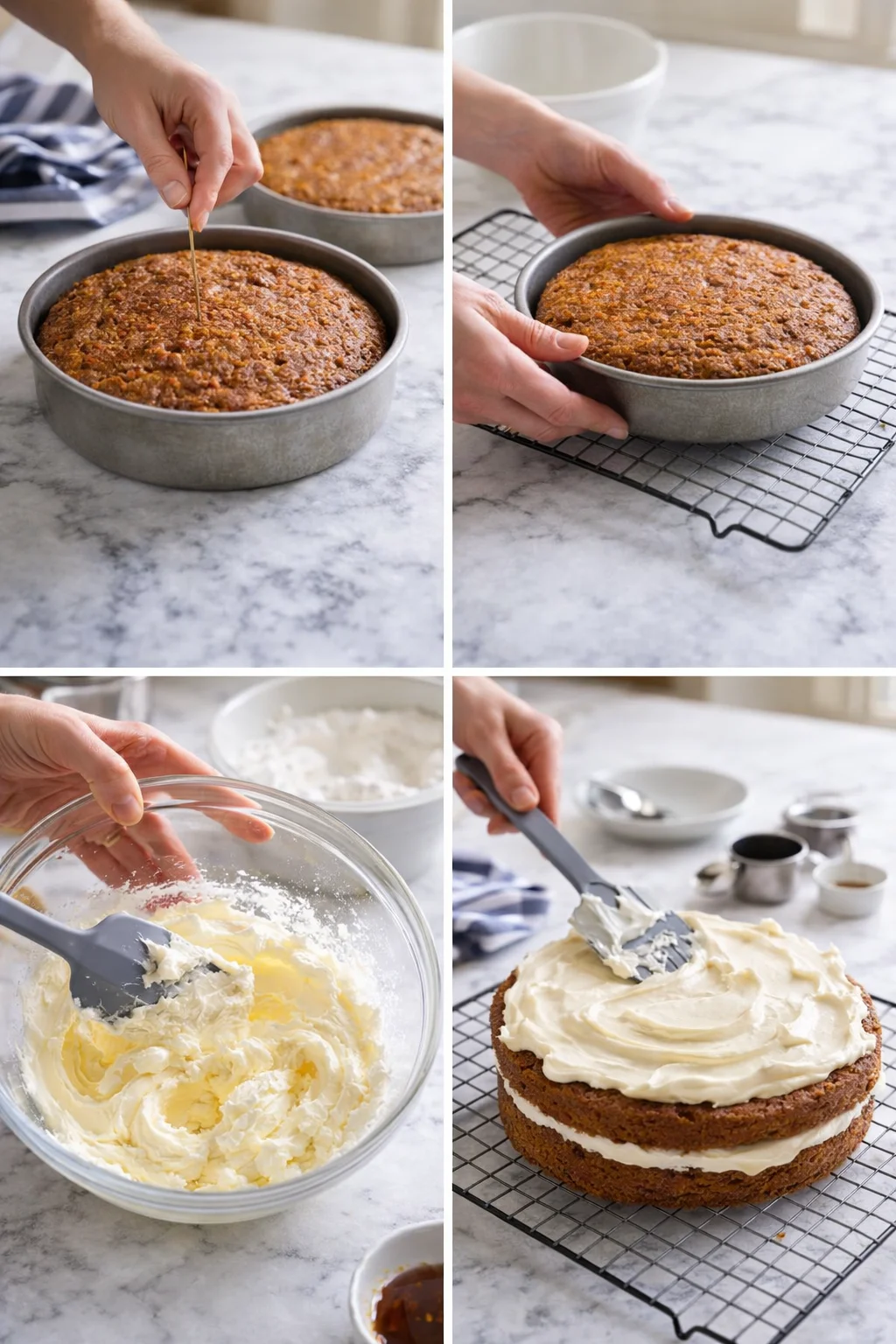
- Bake at 350°F (175°C) for 40–45 minutes for a 9×13 pan or 30–35 minutes for two 8-inch pans; start checking at 30 minutes with a toothpick — it should come out clean or with a few moist crumbs.
- Let the cake rest in the pan for 15 minutes, then transfer to a cooling rack and cool completely before frosting (about 1 hour).
- Beat 8 oz softened cream cheese and ½ cup softened unsalted butter until smooth; gradually add 3 cups sifted powdered sugar and beat until fluffy; stir in 1 teaspoon vanilla and a pinch of salt.
-
Spread the frosting evenly over the completely cooled cake (frost between layers if applicable) and chill about 30 minutes if a firmer set is desired.
Baker’s Tips for Best Results
Getting carrot cake just right can be tricky, but these tips really help make things easier:
- Grate carrots finely: This helps them blend seamlessly into the batter, adding moisture without big lumps—an approach that also shines in our Green Onion Zucchini Cheddar Quick Bread. I learned this the hard way after a batch turned out too dry and heavy.
- Don’t skip the oil: Unlike cakes with just butter, oil keeps carrot cake soft and moist. It’s key for that melt-in-your-mouth crumb.
- Use room temperature eggs and dairy: This helps ingredients mix smoothly, preventing curdling and giving even baking—principles you’ll also see in a creamy egg custard.
- Watch cooking time carefully: Overbaking is the top cause of dry carrot cake. Start testing at 30 minutes if your pans are smaller.
- Mix frosting gently: To avoid powdered sugar flying everywhere, start on low speed and gradually increase until fluffy.
- Multitask: While the cake is baking, whip up your frosting and get your cleanup going to save time.
From my experience, adding pineapple gives a subtle boost of moisture and flavor. If you’re not into pineapple, just skip it and the cake still rocks. Also, if you want that classic carrot cake feel and taste, steer clear of pre-shredded carrots—they can be too wet or dry and mess with the crumb.
Mix-Ins and Simple Swaps
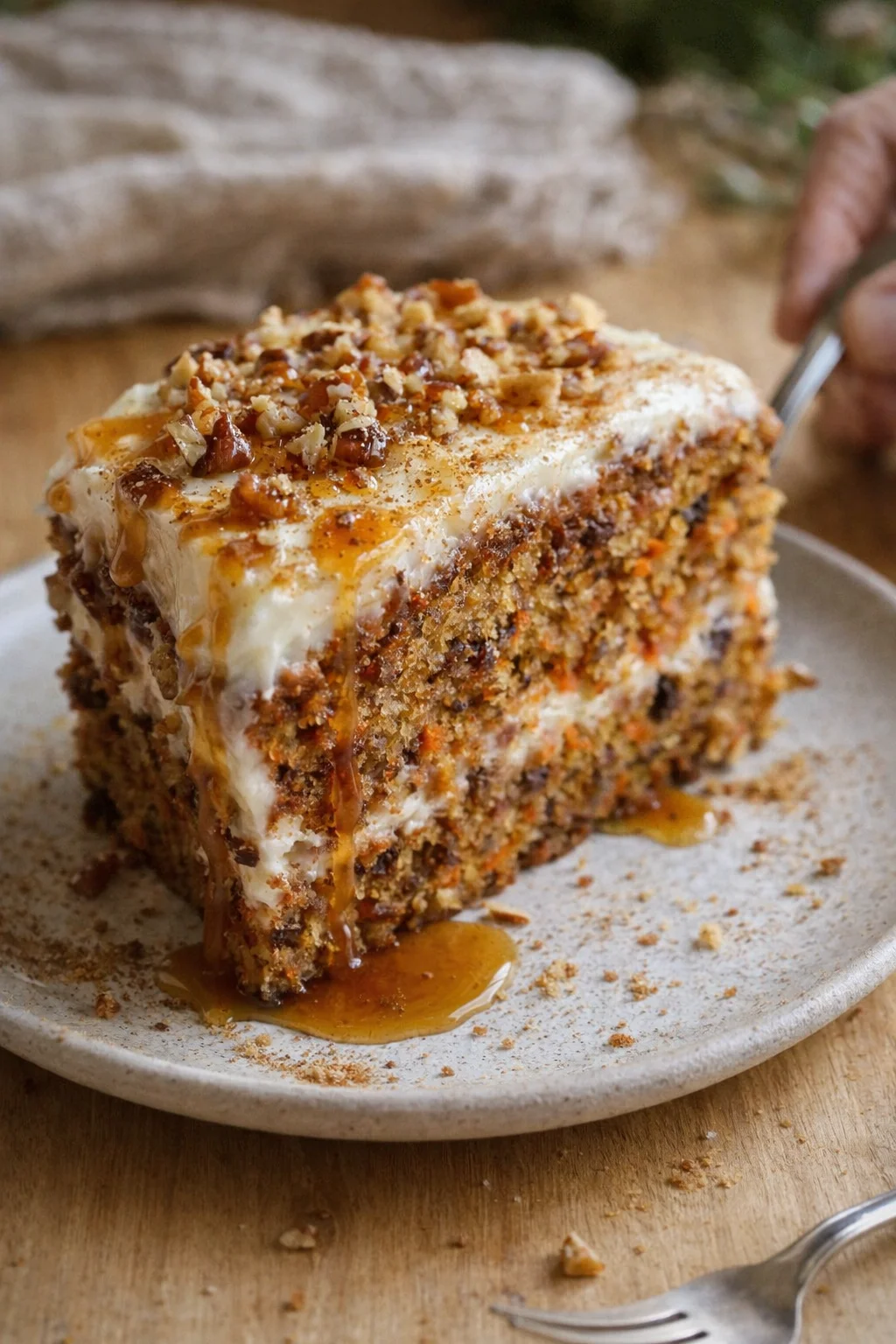
This carrot cake is a fantastic base for tweaking however you like. Here are some easy ways to personalize it:
- Nut-free: Leave out walnuts or pecans. Try pumpkin or sunflower seeds instead for some crunch.
- Gluten-free: Swap the flour for a 1-to-1 gluten-free baking blend. Texture may differ a bit but it still tastes great.
- Spice it up: Add a pinch of ground ginger or cloves for a warm, cozy twist.
- Fruit swaps: Replace pineapple with grated apple or pear for a seasonal twist that keeps it moist.
- Frosting alternatives: For a lighter frosting, try Greek yogurt mixed with honey and vanilla instead of cream cheese frosting.
One fun variation I tried recently included shredded coconut and swapping half the nuts for toasted coconut flakes—giving the cake a tropical vibe without losing the classic charm. I’ve also baked this recipe as cupcakes for parties, which makes serving super easy and fun.
Storing, Serving, and Reheating
This carrot cake tastes best at room temperature when the frosting is soft but not melty. Slice it thick using a sharp knife for nice, clean edges—especially if the frosting has been chilled.
I love pairing a slice with a strong cup of coffee or chai tea, which complements the warm spices perfectly; for a brunch spread, set out some Easy Baked Pumpkin Donuts for another cozy, spiced bite. For a grown-up treat, try it with a crisp, fruity white wine.
Store any leftover cake in an airtight container in the fridge for up to 5 days. If you want to freeze it, wrap the unfrosted cake tightly in plastic wrap and foil, freezing for up to 2 months. Thaw overnight in the fridge before frosting.
To warm up slices, microwave gently for 10-15 seconds to bring back that freshly baked feeling. Like many spiced bakes, such as a Classic Apple Crumble, the flavors meld and deepen over time—so if you can wait, the cake actually tastes even better the next day.
Answers to Common Questions
Can I make this carrot cake ahead of time?
Absolutely! You can bake the cake a day or two in advance and store it wrapped at room temperature or in the fridge. For best frosting texture, frost right before serving.
How do I keep the carrot cake moist?
Using oil instead of butter, including grated carrots and optional pineapple ensures moistness. Also, avoid overbaking and cool the cake completely before frosting.
Can I freeze the frosted carrot cake?
It’s better to freeze the unfrosted cake. Wrap it tightly and freeze for up to 2 months. Thaw in the fridge overnight and frost just before serving.
What can I use instead of walnuts if I have a nut allergy?
You can leave out nuts altogether or use seeds like pumpkin or sunflower for texture. Toasted oats or coconut flakes make nice crunchy alternatives too.
Is this recipe gluten-free?
While the original uses all-purpose flour, you can swap in a gluten-free baking blend for a gluten-free version. The texture might be slightly different but it’s still delicious.
PrintA simple, reliably moist carrot cake made with pantry staples and warm spices, topped with a tangy cream cheese frosting. Perfect for celebrations, brunch, or a cozy afternoon treat, with easy options for gluten-free and dairy-free adaptations.
- Prep Time: 15 minutes
- Cook Time: 40 minutes
- Total Time: 1 hour 15 minutes
- Yield: 12 servings 1x
- Category: Dessert
Ingredients
- 2 cups (250g) all-purpose flour (or almond flour for gluten-free)
- 1 ½ teaspoons baking powder
- 1 teaspoon baking soda
- ½ teaspoon salt
- 1 ½ teaspoons ground cinnamon
- ½ teaspoon ground nutmeg (freshly grated preferred)
- 1 ½ cups (300g) packed brown sugar (light brown preferred)
- 1 cup (240ml) vegetable oil (melted coconut oil as alternative)
- 3 large eggs, room temperature
- 2 cups (about 3–4 medium) grated carrots, freshly grated
- 1 teaspoon vanilla extract
- ½ cup chopped walnuts or pecans (optional)
- ½ cup crushed pineapple, drained (optional)
- For the Cream Cheese Frosting:
- 8 oz (225g) cream cheese, softened
- ½ cup (115g) unsalted butter, softened
- 3 cups (360g) powdered sugar, sifted
- 1 teaspoon vanilla extract
- A pinch of salt to balance sweetness
Instructions
- Preheat oven to 350°F (175°C). Grease baking pan(s) and line with parchment paper for easy removal. (About 10 minutes)
- In a large bowl, whisk together flour, baking powder, baking soda, salt, cinnamon, and nutmeg until evenly blended.
- In a separate bowl, beat brown sugar and vegetable oil until smooth. Add eggs one at a time, mixing well after each addition. Stir in vanilla extract. (About 5 minutes)
- Gently fold in grated carrots, nuts, and pineapple (if using) into the wet mixture until just combined.
- Slowly add dry ingredients to wet mixture, folding gently until just combined. Batter should be thick and slightly sticky; avoid overmixing.
- Pour batter into prepared pan(s), smoothing the surface. Bake at 350°F (175°C) for 40–45 minutes for a 9×13 pan or 30–35 minutes for two 8-inch pans. Begin checking doneness at 30 minutes using a toothpick; it should come out clean or with a few moist crumbs.
- Let cake rest in pan for 15 minutes. Then transfer to a cooling rack until completely cool before frosting, about 1 hour.
- For the frosting, beat softened cream cheese and butter until smooth and creamy. Gradually add powdered sugar, beating until fluffy. Stir in vanilla extract and a pinch of salt. Adjust sweetness if desired.
- Spread frosting evenly over cooled cake with a spatula. For layered cakes, frost between layers and on top. Optionally chill in fridge for 30 minutes for firmer frosting.
Notes
For lighter frosting, substitute Greek yogurt mixed with honey and vanilla instead of cream cheese frosting., To keep cake moist, grate carrots finely and squeeze out some moisture but do not completely dry them., Use room temperature eggs and dairy to ensure smooth mixing and even baking., Avoid overbaking to prevent dryness; start doneness checks early., Frosting can be refrigerated for 15 minutes and whipped again if too soft before spreading., Variations include adding shredded coconut, swapping nuts for seeds to make nut-free, or using grated apple or pear instead of pineapple for seasonal flavor., Gluten-free adaptation: Replace all-purpose flour with a 1-to-1 gluten-free baking blend., Dairy-free adaptation: Use almond-based cream cheese and vegan butter alternatives for the frosting., Store leftover cake in an airtight container in fridge up to 5 days. Freeze unfrosted cake wrapped tightly for up to 2 months. Thaw overnight in fridge before frosting., Warm slices gently in microwave for 10-15 seconds to refresh flavor.
Nutrition
- Serving Size: 1 slice
- Calories: 320 calories per serving
- Fat: 18 grams per serving
- Carbohydrates: 38 grams per serving
- Protein: 3 grams per serving